If you want a town that feels quieter, greener, and a little more spread out without feeling cut off from daily needs, Sterling is worth a closer look. For many buyers, the appeal is not just the homes or lot sizes. It is the way everyday life blends classic New England character, outdoor space, and a connected local community. If you are wondering what it is really like to live here, this guide will walk you through the rhythms of Sterling and what makes the town stand out. Let’s dive in.
Sterling’s Everyday Feel
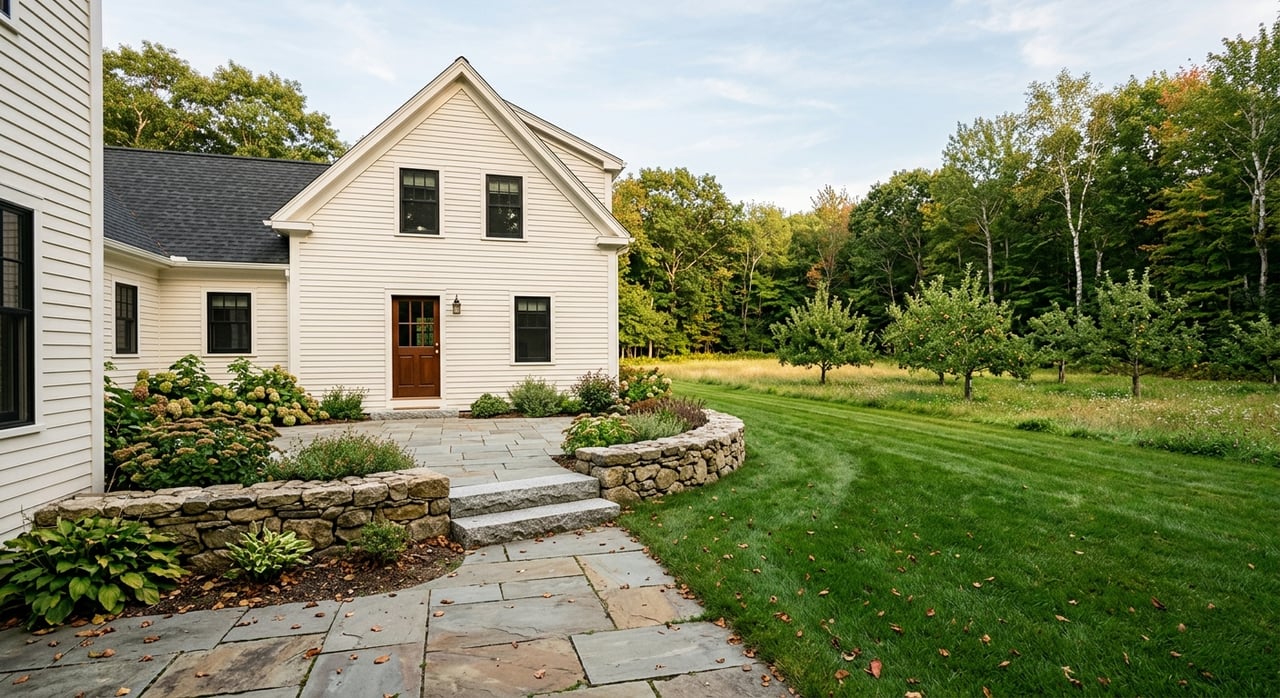
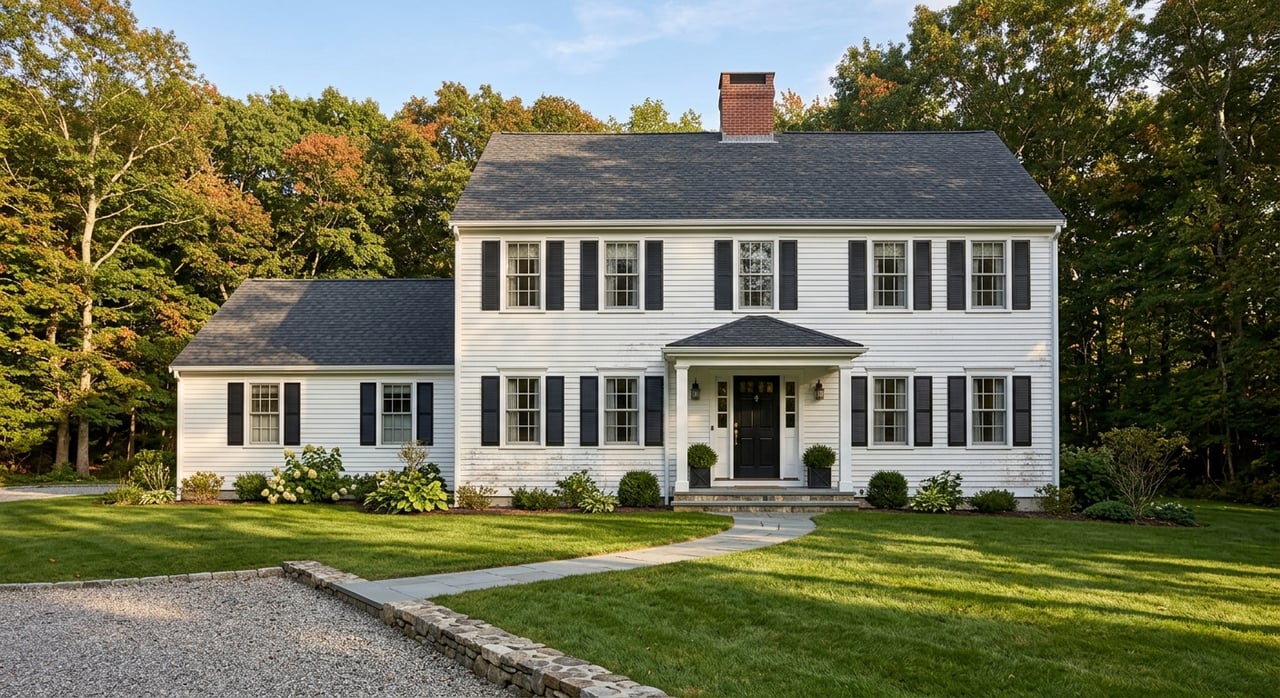
Sterling has a distinctly rural identity, and that is not just a vibe people talk about. The town’s planning materials describe Sterling around its natural beauty, agricultural history, and community engagement, with a focus on preserving scenic character, open space, and agricultural land while expanding trail networks. You can explore that direction in the town’s Master Plan materials.
That matters in day-to-day life because Sterling still feels like a place where land, seasons, and local traditions shape the experience of living there. Instead of a heavy commercial feel, you get more breathing room, visible open space, and a town identity tied closely to its history.
Farms and Open Space Still Matter
One of the clearest signs of Sterling’s character is how present farming still is in town life. The town’s farms and farmstands page lists places like Bird of the Hand Farms, Clearview Farm, Davis Farmland, Pineo Family Farm, and Meadowbrook Orchards.
That is a meaningful part of the local lifestyle. It gives Sterling a lived-in agricultural feel rather than a town that simply references its past. The Sterling Grange also supports local agriculture, community gardening, and broader community involvement, which adds to that strong sense of local participation.
Town Center Has Local Character
Sterling’s civic center is modest, but it has real identity. Around the Town Common, you will find the 1835 Town Hall and Conant Public Library, with town landmarks that reinforce the area’s historic New England feel.
According to the town, the 1835 Town Hall sits opposite the Town Common and houses the Recreation Department, while the library is on the west side of the common. The center also includes one of Sterling’s most recognizable details: a lamb statue on the Town Common tied to the town’s connection with Mary Sawyer of "Mary Had a Little Lamb" fame.
For you as a resident, this adds up to a town center that feels anchored and memorable. It is not built around large-scale retail. It is built around civic landmarks, local history, and gathering spaces.
Daily Errands and Local Business Life
Sterling is not a major commercial hub, but it does offer a practical mix of local businesses and services. The town’s Economic Development Committee describes a business base that includes dining, lodging, shopping, services, health and wellness, farms, recreation resources, and historic resources through its community promotion efforts.
That helps explain Sterling’s everyday balance. You can enjoy a quieter setting without losing access to a local business network that supports routine needs and community activity. Town events also make that local business presence more visible, especially when Main Street and civic spaces become active gathering spots.
Outdoor Life Is Easy to Build Into Your Routine
For many people, one of the biggest advantages of Sterling is how easy it is to spend time outside. The town highlights a broad Sterling Trails network with options ranging from easy dog-friendly walks like Butterick Nature Trail, Peg’s Pond Trail, and Waushacum Trail to more moderate scenic routes like Heywood, Allenwood, and Pine Hill Esker.
That variety matters because it supports everyday use, not just occasional weekend outings. Whether you want a quick walk, a longer hike, or a nearby place to get outside with your dog, Sterling offers multiple options within town.
The town also notes that the Open Space Implementation Committee and Conservation Commission are committed to preserving and expanding these opportunities. For buyers who value access to nature as part of normal daily life, that is a meaningful plus.
Parks and Water Recreation Add Variety
Sterling’s recreation options go beyond trails. The town’s parks and fields information includes Sholan Park on Lake Waushacum, where you will find picnic tables, grills, a sand volleyball court, and a boat ramp.
The town beach is also a seasonal amenity for residents and permitted guests. Memorial Park serves both ceremonial and recreation purposes, and the Recreation Department maintains athletic fields and courts across town.
This gives Sterling a nice mix of passive and active recreation. You have places to relax by the water, gather outdoors, or take part in organized sports and town events, depending on the season and your routine.
Summer Has a Clear Community Rhythm
Some towns feel more connected when their public spaces are actually used, and Sterling seems to fit that pattern. The official 2025 Summer Concert Series scheduled Monday and Wednesday evening concerts in July and August at Memorial Park, with local business sponsors supporting the series.
That says a lot about how town life works here. Recreation, public gathering space, and local commerce overlap in a way that can make the town feel active without feeling crowded. If you like the idea of low-key community events woven into the summer season, Sterling offers that kind of rhythm.
Signature Events Help People Connect
Sterling also has a few events that help define the local experience. One of the biggest is the Sterling Fair, which the Fair Committee describes as a 2.5-day, family-oriented, community agricultural fair with free admission and parking.
The town’s 2025 fair announcement highlighted live music, food, children’s activities, arts and crafts, and participation from local organizations and businesses. That kind of event reinforces Sterling’s agricultural roots and strong local involvement.
Another example is Celebrate Sterling, which centered on Main Street, the Butterick Building, 1835 Town Hall, Memorial Park, and other local sites with open houses, ribbon cuttings, art, library readings, food, music, and activities. Together, these events show that community life in Sterling is not just about where you live. It is also about how public spaces and local organizations create reasons to gather.
Community Involvement Runs Deep
If you are looking for a town with more than basic services, Sterling appears to offer a strong local network. The town’s local organizations page lists groups such as the Land Trust, Community Theater, Garden Club, Youth Soccer, Little League, the Grange, and the farmers market.
That range points to a community where volunteer groups, civic organizations, and local activities are part of the town’s fabric. For many buyers, that can shape how quickly a place starts to feel familiar and connected.
Rural, But Not Isolated
One of Sterling’s biggest strengths is that it feels quiet without feeling remote. The town’s adopted 2022 Master Plan says the road network centers on I-190 and Routes 12, 62, 110, and 140, with I-190 providing access to Worcester and Leominster and Route 140 reaching east-of-Worcester commercial areas such as Shrewsbury. You can review that in the town’s adopted Master Plan document.
The broader planning picture also describes Sterling as a rural community with easy access to nearby job markets and shopping. For you, that can mean a useful middle ground: more land and a quieter pace at home, with practical regional access when you need it.
Who Sterling May Appeal To
Sterling can make sense for buyers who want a little more elbow room and a lifestyle shaped by open space, local landmarks, and community traditions. If you are drawn to trails, seasonal events, and a town identity that still feels grounded in agriculture and civic life, Sterling checks a lot of boxes.
It may also appeal if you want a home base that feels distinctly separate from busier commercial corridors while still offering road access to Worcester, Leominster, and other nearby areas. That combination is a big part of Sterling’s draw.
If you are thinking about a move to Sterling or comparing it with nearby Central Massachusetts towns, working with the right local guide can make the process much less stressful. Kim Mckean helps buyers and sellers across Central Massachusetts with clear advice, smart strategy, and step-by-step support, so you can make a move with confidence.
FAQs
Is Sterling, Massachusetts mostly rural?
- Yes. Sterling’s planning documents describe the town as rural and agricultural, with open space, scenic character, farms, and trails remaining central to its identity.
What is there to do outdoors in Sterling, Massachusetts?
- Sterling offers a network of trails for walking and hiking, plus recreation at Sholan Park on Lake Waushacum, a seasonal town beach for residents and permitted guests, Memorial Park, and athletic fields and courts maintained by the Recreation Department.
Does Sterling, Massachusetts have a real town center?
- Yes. The civic center is focused around the Town Common, the 1835 Town Hall, and Conant Public Library, along with local landmarks such as the lamb statue connected to Mary Sawyer.
Are there community events in Sterling, Massachusetts?
- Yes. Official town materials highlight events such as the Sterling Fair, the Summer Concert Series at Memorial Park, and Celebrate Sterling, which brings activity to Main Street and other public spaces.
Is Sterling, Massachusetts convenient for commuting?
- Sterling feels rural, but the town’s road network includes I-190 and Routes 12, 62, 110, and 140, which provide access to Worcester, Leominster, and east-of-Worcester commercial areas such as Shrewsbury.