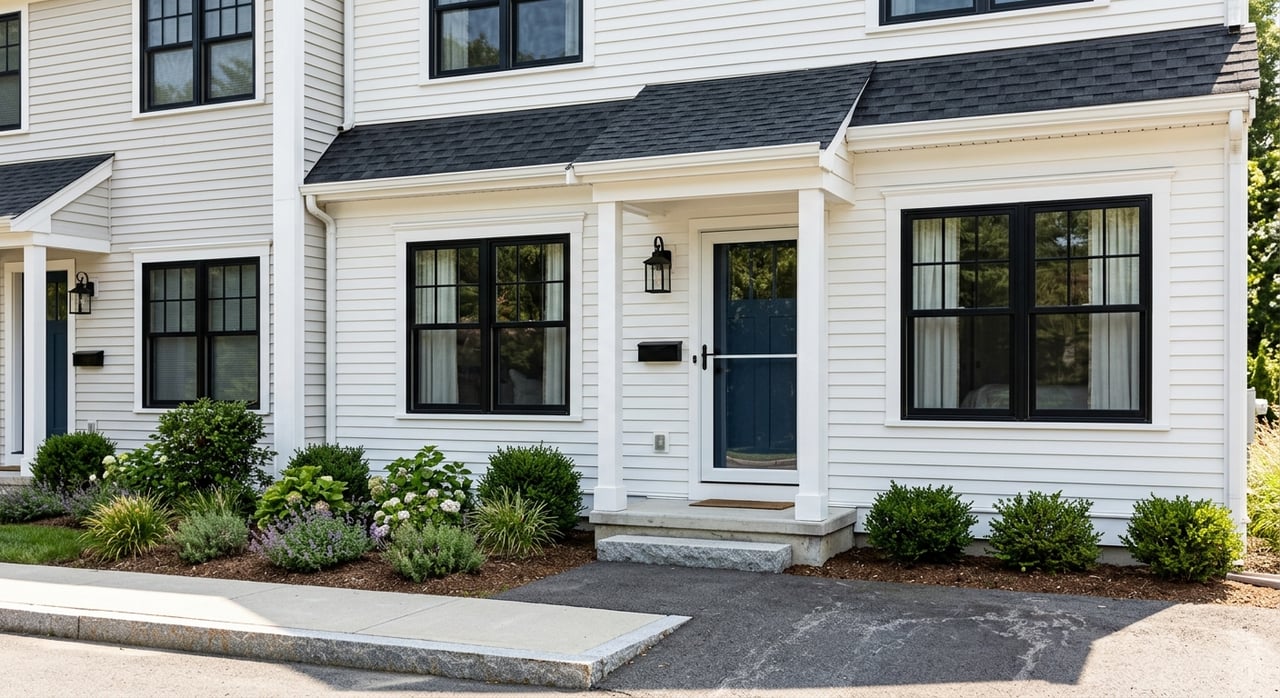
If you want more space without giving up access to the region, Shirley deserves a closer look. For many buyers, the challenge is finding a town that feels calmer day to day but still works for a real commute. In Shirley, you get a small-town setting, an MBTA Commuter Rail stop, and practical road connections that support trips toward Boston, MetroWest, Leominster, and beyond. Let’s dive in.
Why Shirley works for commuters
Shirley sits in Middlesex County about 50 miles north of Boston and near the New Hampshire border. It offers a lower-density feel than many closer-in suburbs, but it is still clearly connected to regional job centers. Census QuickFacts reports a mean travel time to work of 38.0 minutes, which gives you a useful snapshot of how residents balance home life with work trips.
The town also presents a different rhythm than a dense, walk-to-everything market. With a population density of 469.8 people per square mile, Shirley tends to appeal to buyers who want breathing room and a quieter setting. That can be a strong match if your ideal home life includes more space and less day-to-day congestion.
MBTA rail access in Shirley
One of Shirley’s biggest commuter advantages is its stop on the MBTA Fitchburg Commuter Rail line. The station is located in the Shirley Village Historic District at Front Street and Phoenix Street, giving residents an in-town rail option for regional travel. For many buyers, that rail stop is what puts Shirley on the map.
The line connects to North Station in Boston. It also serves Porter Square in Somerville, where you can connect to the Red Line, and Waltham, where riders can connect to multiple bus routes. If your workweek includes trips into Boston or other regional hubs, that flexibility matters.
There is one important detail to keep in mind. Mass.gov notes that commuter rail service is generally organized around peak-period commuting toward Boston, with higher inbound morning and outbound evening frequency. If you need off-peak flexibility every day, it is smart to review the current schedule and think through how well it fits your routine.
Road connections add flexibility
Rail access is only part of the story. Shirley also benefits from easy access to Route 2 and 2A, along with connections to the I-495 and I-190 corridors. That gives you options if your commute changes by the day or if you split time between home and office.
According to town planning materials, Route 2 and 2A link Shirley to Leominster, Fitchburg, Boston, and MetroWest. The same sources note indirect access to Worcester and points north and south through I-495, I-190, and Route 128. In practical terms, Shirley works well for buyers who do not want to rely on just one travel mode.
What the housing stock feels like
If you are shopping in Shirley, you should expect a market that still leans heavily toward owner-occupied homes. Census QuickFacts shows an owner-occupied housing rate of 82.3%, which reflects a town with a strong ownership base. That often aligns with the buyer profile Shirley attracts: people looking to settle in rather than simply stay short term.
The median value of owner-occupied homes is $412,700. Census data also shows a median gross rent of $1,189 and median monthly owner cost with a mortgage of $2,710. These numbers help frame Shirley as a town with a meaningful rental segment, but not one dominated by large apartment inventory.
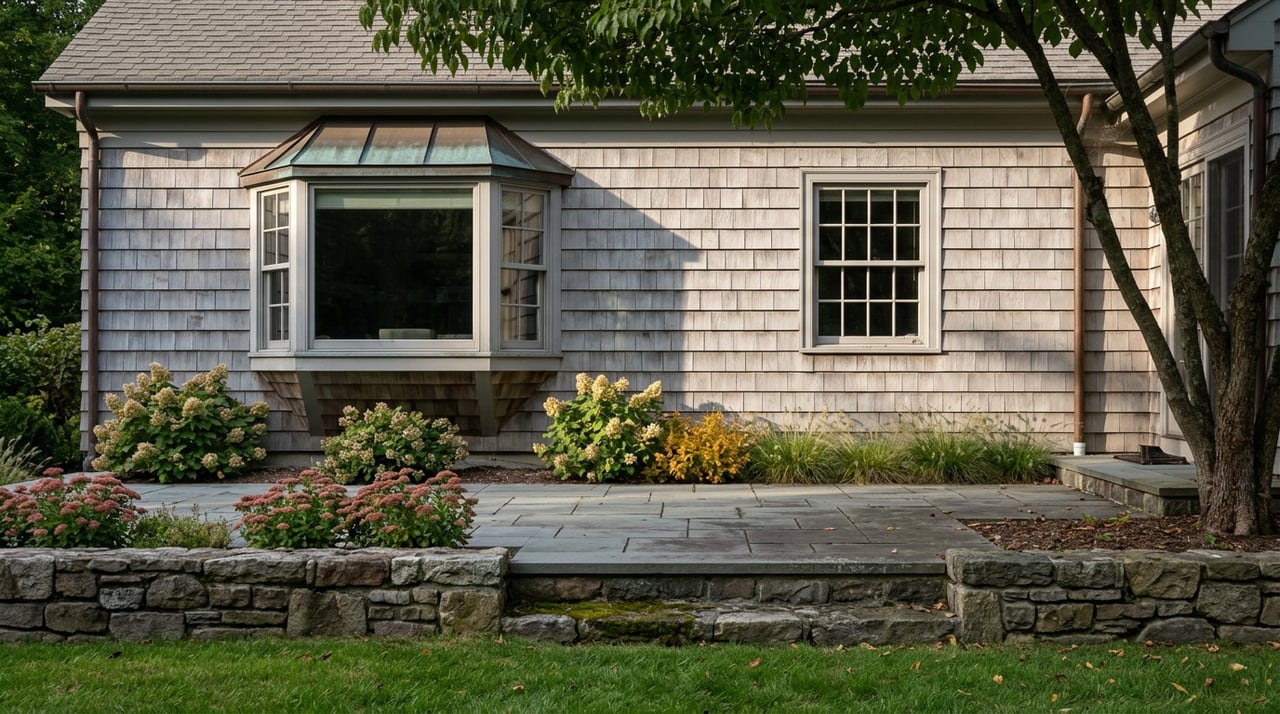
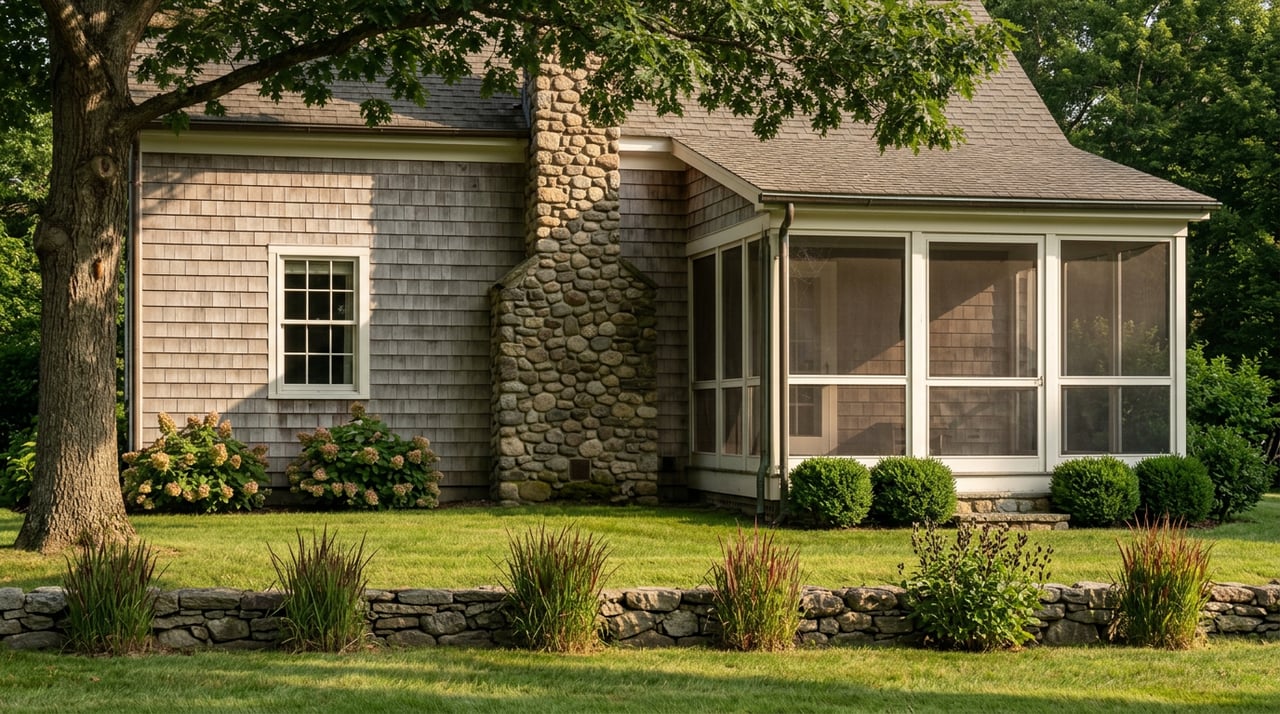
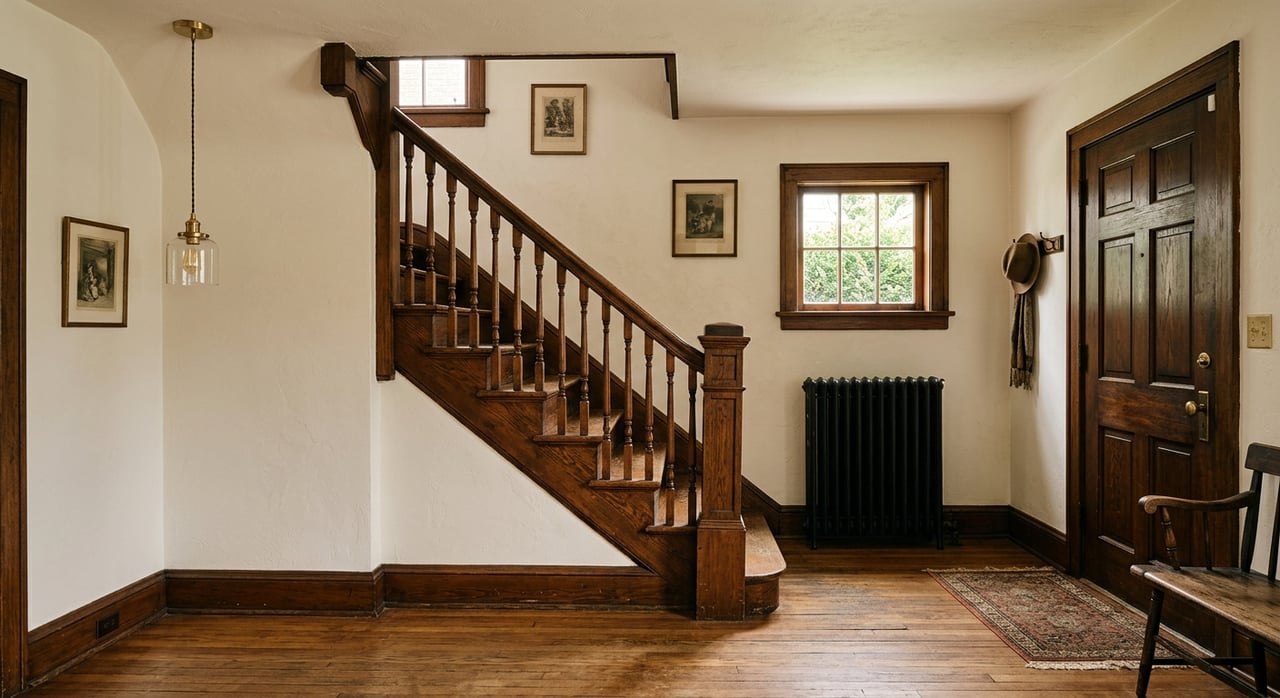
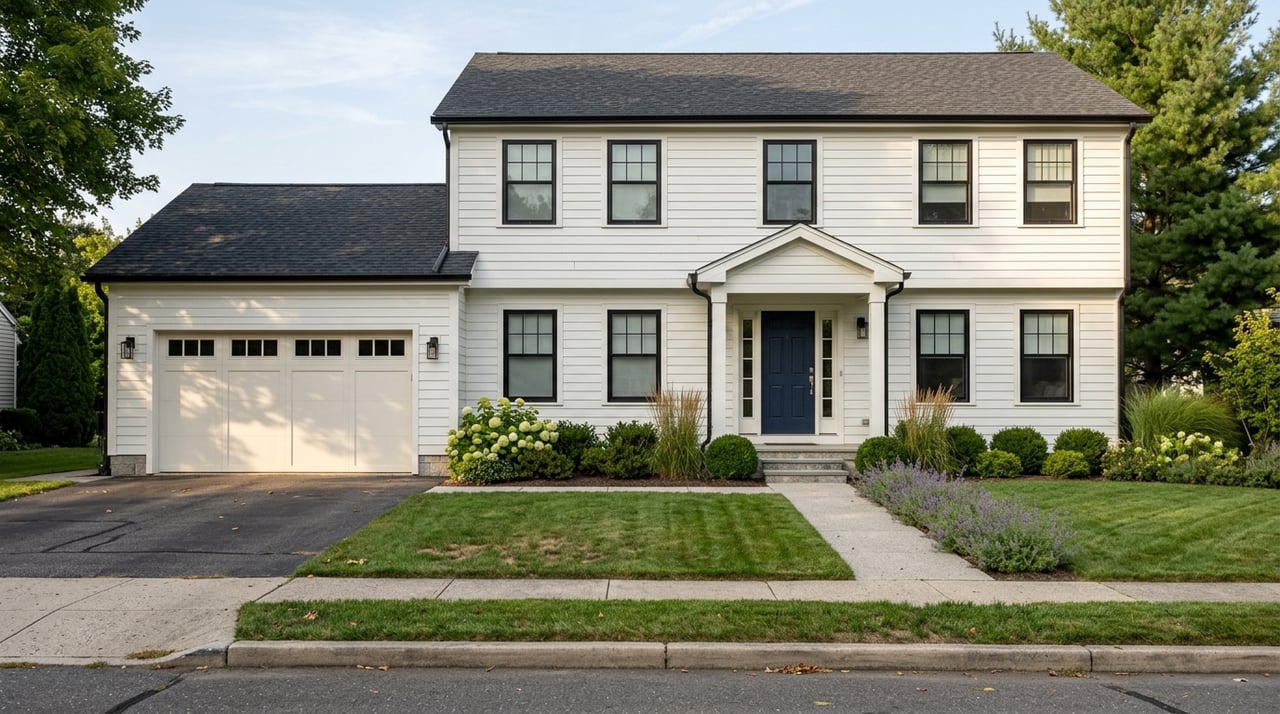
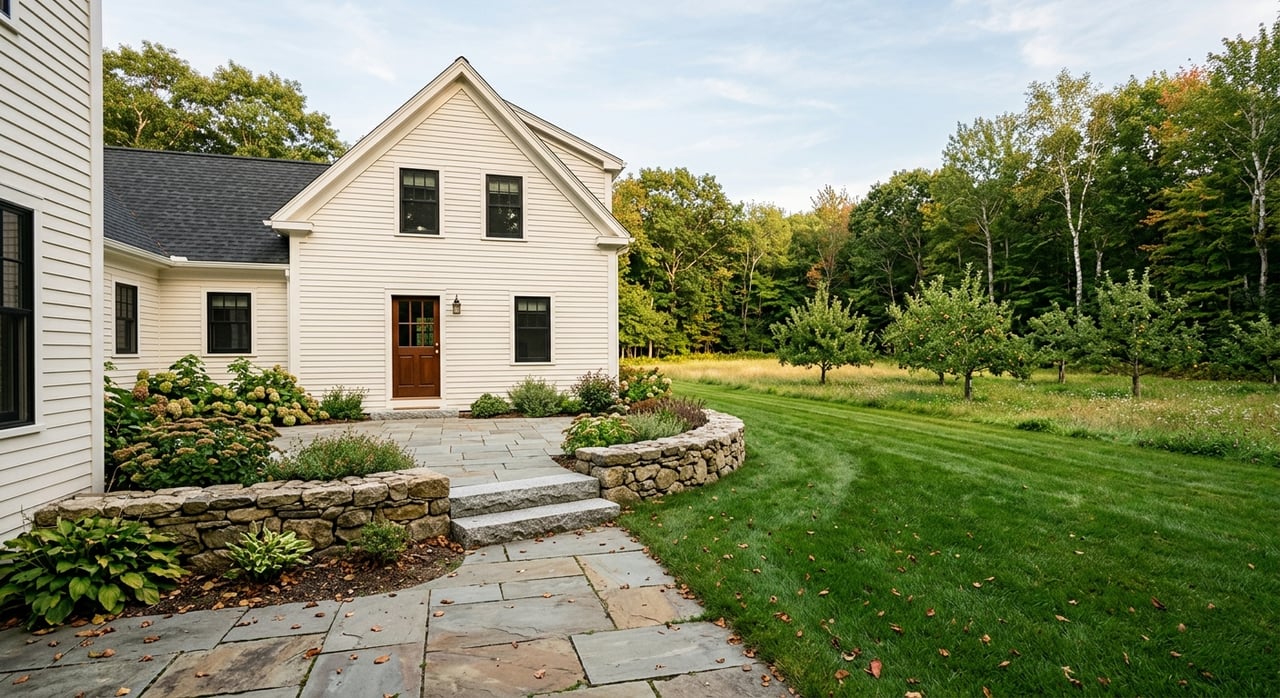
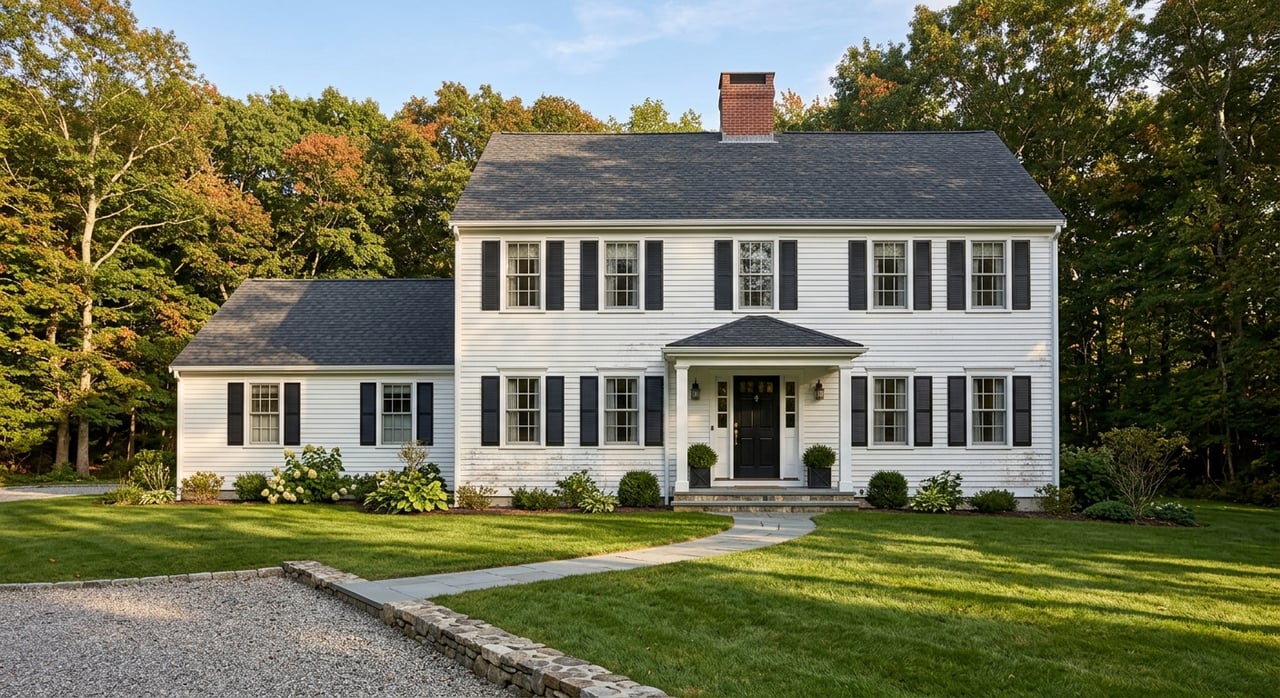
Town planning documents add useful context. Shirley’s housing stock is predominantly residential, and single-family detached homes make up about 65% of all housing units. Three of the four residential zoning districts require minimum lot sizes of 30,000 square feet or more, which helps explain why many buyers experience Shirley as more suburban-rural than village-compact.
Who Shirley may fit best
Shirley can be a strong fit if you want a detached home, more land, and access to both rail and road connections. Buyers who value a slower daily pace often appreciate that much of the town remains low density and shaped by open land. If your priority list includes space, privacy, and regional access, Shirley deserves a serious look.
It may be less ideal if your goal is a dense center with services and housing packed closely together. Town planning documents note that forest and wetland make up more than 70% of the town, and the overall layout is more car-dependent than in tighter suburban markets. That difference is not a drawback or a benefit on its own, but it is important to match the town to your lifestyle.
A town with gradual housing change
Even though Shirley still skews toward single-family living, there are signs of gradual diversification. Mass.gov reported in late 2024 that Shirley was among the towns that approved new multifamily zoning districts. The town’s housing plan also states that Shirley is working to encourage a diversity of housing types while preserving its rural character.
For buyers, that matters for two reasons. First, it suggests the town is thinking about long-term housing needs and flexibility. Second, it may create more options over time for people who want commuter access in Shirley but are not looking for a traditional detached home on a large lot.
Day-to-day life beyond the commute
A commuter-friendly town still has to work when you are off the clock. Shirley describes itself as a small town with civic pride, volunteer spirit, and well-preserved historic roots. The town also notes a friendly business community, full municipal services, and a regional school system shared with Ayer.
Local government is shaped by open town meeting and a three-member Select Board. That community-driven structure is part of what gives Shirley its local feel. If you want a town where decisions and identity still feel close to home, that may resonate with you.
Outdoor space is another big part of everyday life here. Shirley reports about 800 acres of protected land, with the Nashua River forming the eastern boundary and multiple trailheads across the local trail network. Fredonian Park in Shirley Village adds a central gathering space with a bandstand gazebo, open lawn area, Catacunemaug Brook frontage, and an adjacent pond.
Utility details buyers should verify
One of the most important buyer takeaways in Shirley has nothing to do with commuting. The town’s housing plan notes that the privately owned Shirley Water District serves about 60% of the town, while the public sewer system serves about one-third. That means you should verify water and sewer service for any specific property before making assumptions.
This is especially important if you are comparing Shirley to towns with broader public utility coverage. In a lower-density market, utility setup can vary more from property to property. Knowing those details early helps you avoid surprises and make cleaner comparisons between homes.
The same housing plan also notes that some census-based demographic data can be skewed by the prison population. For buyers, the key point is simple: broad town statistics can be helpful, but property-specific due diligence matters even more.
How to shop smart in Shirley
If Shirley is on your short list, a focused approach will help you buy with more confidence. The goal is not just to find a home you like. It is to find a home that supports the way you actually live and commute.
Here are a few smart questions to ask as you evaluate homes in Shirley:
- How often will you use the MBTA station versus driving
- How important is quick access to Route 2 or 2A for your routine
- Do you want a larger lot and more separation between homes
- Have you confirmed water and sewer service for the property
- Does the home’s location support your weekday schedule as well as your weekend lifestyle
These questions can narrow your search fast. They also help you avoid falling in love with a house that looks great online but does not match your daily needs.
The bottom line on commuter-friendly living
Shirley offers something many buyers are looking for: regional access without a tightly packed suburban feel. With an in-town MBTA Fitchburg Line stop, practical road links to Route 2, 2A, I-495, and I-190, and a housing stock that still leans toward detached homes and larger lots, it fills a specific niche in the market. If you want space, open land, and a commute plan that includes both driving and rail, Shirley may be a very good fit.
If you are weighing Shirley against other Central Massachusetts or MetroWest towns, the right choice often comes down to tradeoffs. I can help you compare commute options, utility considerations, and housing style so you can focus on the towns that truly fit your goals. When you are ready to talk through your next move, reach out to Kim Mckean.
FAQs
What makes Shirley, MA appealing for commuters?
- Shirley offers an MBTA Fitchburg Commuter Rail stop in town, access to Route 2 and 2A, and connections to I-495 and I-190 for regional travel.
What kind of housing is most common in Shirley, MA?
- Shirley’s housing stock is led by single-family detached homes, which make up about 65% of housing units, and the town has a strongly owner-occupied profile.
What should buyers verify about utilities in Shirley, MA?
- Buyers should confirm whether a property has access to the Shirley Water District and public sewer, because water and sewer coverage is not universal across town.
Is Shirley, MA a dense walkable suburb?
- Shirley is generally better described as a low-density suburban-rural market, with more open space and greater car dependence than a compact village-style suburb.
Does Shirley, MA offer outdoor recreation for residents?
- Yes. The town reports about 800 acres of protected land, multiple trailheads, Nashua River frontage, and public spaces such as Fredonian Park in Shirley Village.
Are there signs of more housing options coming to Shirley, MA?
- Yes. Mass.gov reported in late 2024 that Shirley was among the towns that approved new multifamily zoning districts, which may support more housing variety over time.