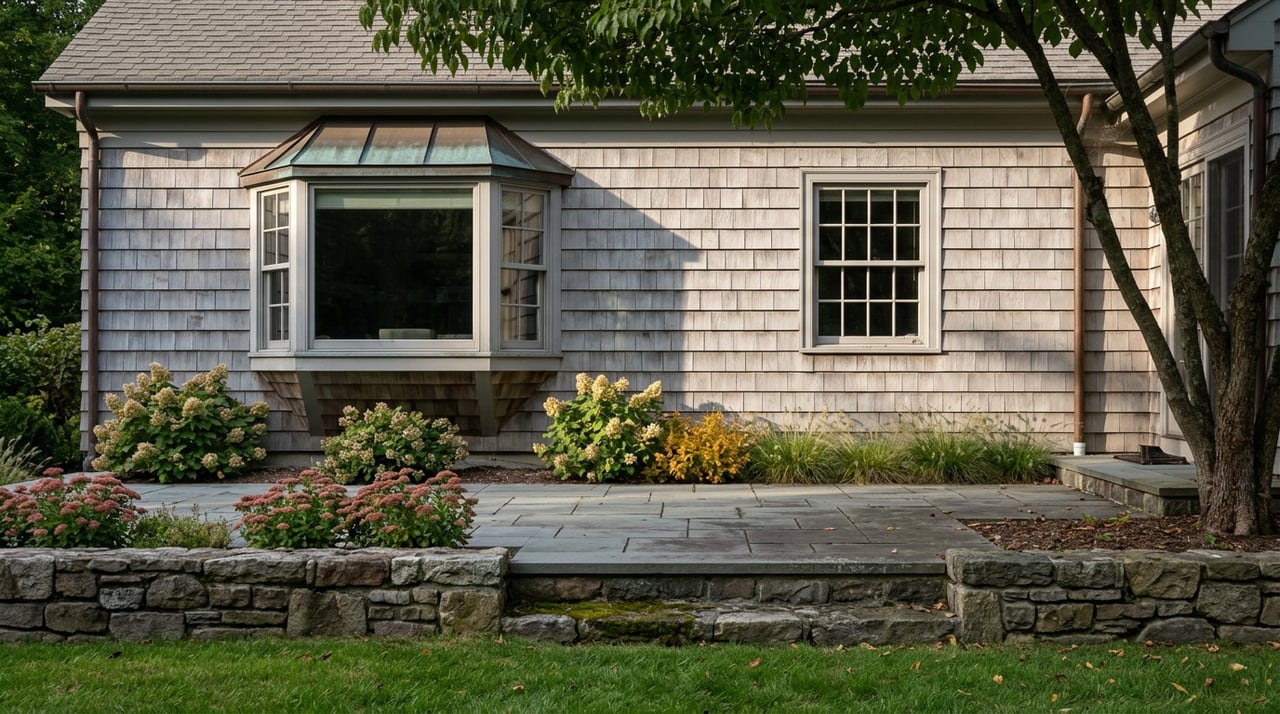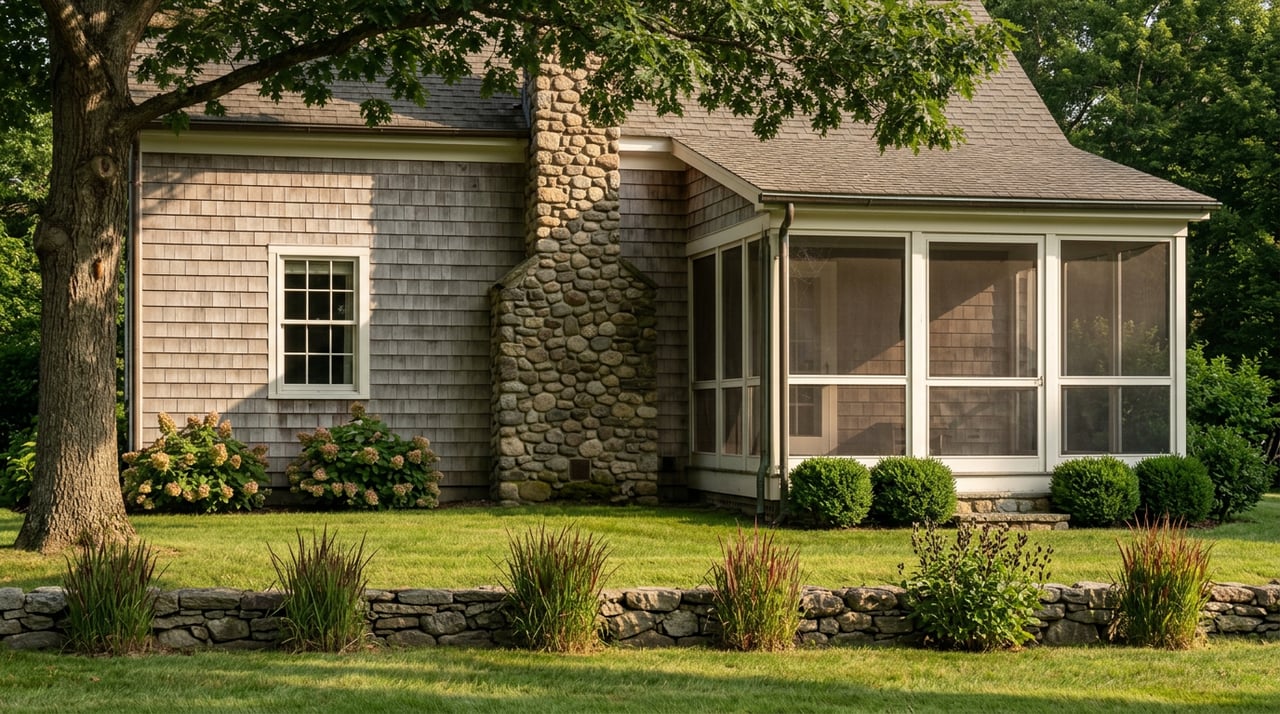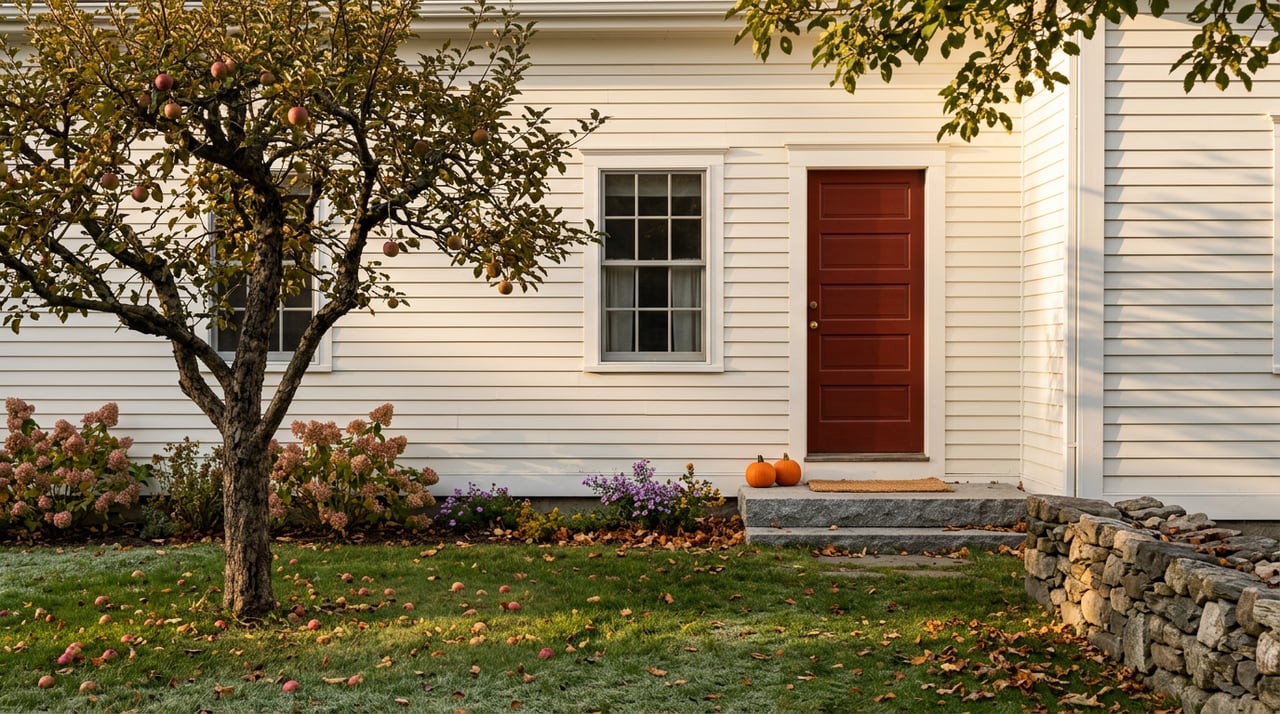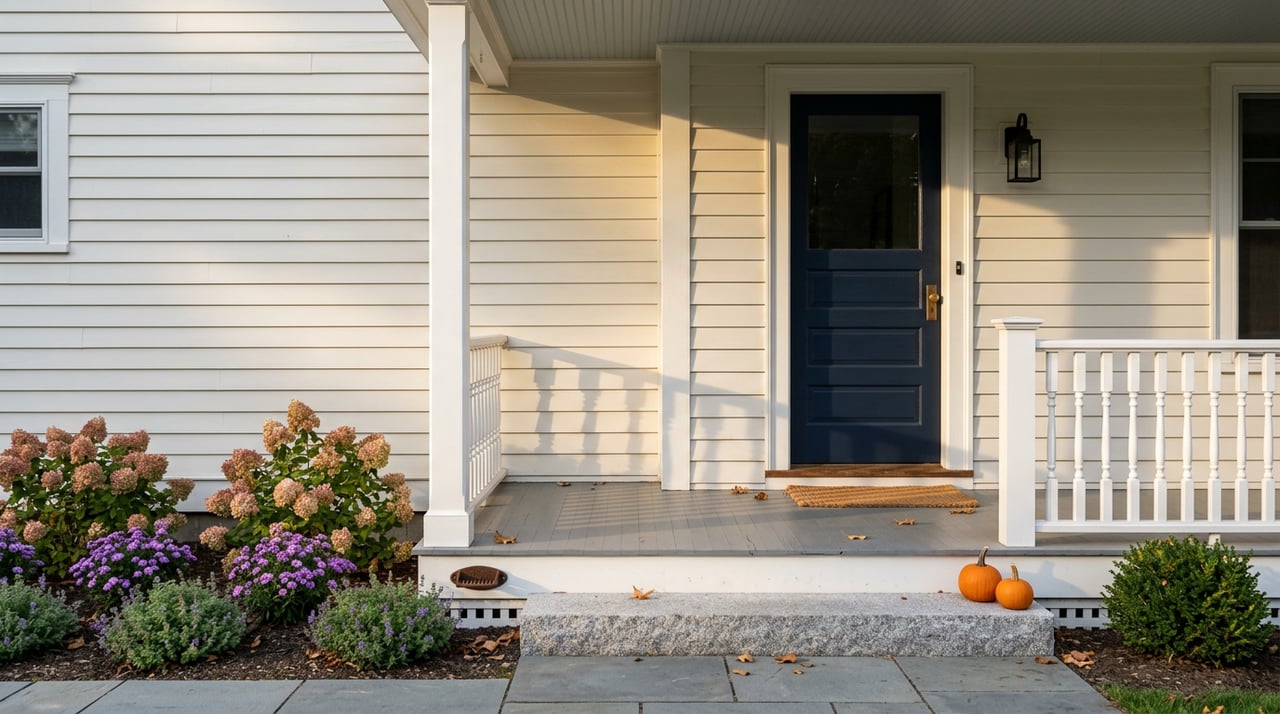
If you’re dreaming about more privacy, room to garden, or space for animals, Harvard can feel like a rare find in Central Massachusetts. But buying a home with land here is not the same as buying a house on a standard suburban lot, and the details matter more than many buyers expect. With the right questions up front, you can avoid surprises and focus on properties that truly fit your goals. Let’s dive in.
Why Harvard attracts land buyers
Harvard stands out because it offers a low-density, homeowner-focused setting with a strong rural feel. Census QuickFacts lists 7,004 residents, a population density of 259.1 people per square mile, and an 88.8% owner-occupied housing rate. If you want elbow room instead of tighter neighborhood spacing, that backdrop is a big part of the appeal.
The town’s planning priorities also support that character. Harvard’s Open Space Committee says 58% of the town is open space, and the town manages more than 1,700 acres of conservation land open to the public from dawn to dusk. Harvard Conservation Trust also reports more than 36 scenic trails spanning over 70 miles across more than 1,100 acres of protected land.
Harvard also has a real agricultural identity, which matters if your vision includes fields, gardens, or a small homestead. The town has an Agricultural Advisory Commission that supports commercial agriculture and preservation of prime agricultural land. Harvard also identifies itself as a Right-to-Farm community, which tells you agriculture is part of the local framework, not an exception to it.
Start with the land, not just the house
When you look at a property with acreage, it helps to think beyond the number of acres in the listing. What matters is how much of that land is usable for your goals and what local rules affect it. A beautiful lot can feel very different once you factor in zoning, wetlands, access, and maintenance.
In Harvard, zoning is designed to protect land and preserve rural character. The town’s Housing Production Plan says nearly all developable land is in the Agricultural-Residential district, where detached single-family homes and agricultural uses are allowed as-of-right. That can be encouraging for buyers who want more flexibility, but each parcel still needs careful review.
Check lot size and frontage
A large lot is not always simple from a zoning standpoint. Harvard’s Housing Production Plan says the basic lot area is 1.5 acres, while backland or hammerhead lots require a special permit, 4.5 acres, and 50 feet of frontage. Mini-subdivisions require a special permit, at least 3 acres per lot, and 180 feet of frontage.
That means you should ask early whether the lot is conforming as-is and whether any future plans depend on frontage or special permits. If you are buying with ideas about adding structures, changing access, or using the land in a specific way, this step is especially important. It is much easier to confirm the facts before you fall in love with the setting.
Check wetlands and conservation limits
With larger parcels, usable land and total land are often not the same thing. Harvard’s Conservation Commission reviews proposals to alter or develop land within 100 feet of wetlands and 200 feet of rivers and ponds. If part of the property falls inside those areas, your options may be more limited than the acreage number suggests.
Conservation land rules matter too, especially if the property abuts protected land. On town conservation land, motorized vehicles, camping, fires, brush dumping, and trail alteration are prohibited. Horseback riding and bicycling are limited to primary trails and are not allowed during mud season.
Check access and roadside tree issues
On a larger lot, access can be more important than buyers first realize. Long driveways, roadside visibility, and maintenance needs can all affect daily life and future costs. If there are roadside trees near the property, Harvard’s Tree Warden page explains that trees in a road right-of-way can be public trees, so owners should check before planting, trimming, or removing them.
That may sound minor, but details like this can affect how you maintain the front edge of the property. It is another example of why land ownership in Harvard is often more hands-on than buyers expect.
Water and septic need extra attention
One of the biggest practical differences with homes on land in Harvard is utilities. Many properties do not rely on public water or sewer, so due diligence around wells and septic systems is a key part of the buying process. This is not necessarily a deal breaker, but it is something you want to understand clearly before closing.
Private well questions to ask
Harvard’s Board of Health says the majority of houses get their water from a private well. The town also requires water-quality testing in preparation for all property transfers. The board recommends testing at least every five years, and MassDEP recommends that prospective homebuyers test private-well water before purchase using a MassDEP-certified laboratory.
For buyers, this means you should not assume the water situation is routine just because the house looks well maintained. Ask what testing has been completed, when it was done, and whether there is any PFAS-related guidance to review. Water quality is one of those issues that feels invisible until it is not.
Septic inspection basics
Septic diligence is just as important. Harvard’s Board of Health maintains a subsurface sewage disposal systems program, including Title 5-related forms and a community septic loan program. MassDEP advises buyers and sellers to have septic systems inspected when a home is bought or sold, and in most cases the inspector submits the report directly to the Board of Health.
If you are comparing multiple properties, the septic system’s age, condition, and inspection status should be part of your decision. A home with more land can still come with major system considerations, so it helps to look at the full ownership picture rather than the setting alone.
If you want animals or a homestead
For many buyers, land in Harvard is appealing because it creates room for a more flexible lifestyle. You may be picturing gardens, chickens, goats, or even horses. Harvard can be more accommodating than some towns, but local rules still matter.
The town says stable permits are required annually for barn animals such as horses, goats, sheep, llamas, alpacas, cattle, and swine. Chickens and other fowl do not require a stable permit. If open burning is part of your property maintenance plan, Harvard also requires a Fire Department permit during the Jan. 15 to May 1 season.
This is where your lifestyle goals should guide your home search from day one. If animals, gardening, or small-scale homestead uses are part of the plan, it is smart to verify what the property supports now instead of assuming you can sort it out later.
Think honestly about daily life
The dream of space is real, but so are the tradeoffs. Harvard’s location and road network support access to the broader region, with Route 2 and Interstate 495 serving the area. Route 2 provides east-west access toward Greater Boston and west toward Leominster-Fitchburg.
At the same time, Census QuickFacts lists a mean commute time of 33.4 minutes, which gives a useful reality check. If you buy a home with land in Harvard, driving will likely be part of your daily routine. For some buyers that is an easy trade for privacy and space, but it helps to go in with clear expectations.
Remote work can make the move easier, and one data point is encouraging. Census QuickFacts says 96.2% of Harvard households report a broadband subscription. Still, service can vary by property, so it is worth checking parcel-level availability, especially on larger or more wooded lots.
Maintenance is part of the package
Owning acreage usually means more active stewardship. A larger lot can bring more mowing, more tree care, more driveway upkeep, and more seasonal cleanup. In Harvard, that reality is reinforced by the town’s emphasis on protecting scenic roads, stone walls, wetlands, and conservation land.
If you love the idea of being outdoors and caring for the property, this can be part of the reward. If you want lower-maintenance ownership, though, it is important to be honest about the time and cost involved. Land can offer freedom, but it also asks more from you.
How land affects value and resale
Harvard’s housing stock already leans toward larger homes and larger lots. The Housing Production Plan reports a median of 8 rooms per home, 52% of homes with four or more bedrooms, and recent single-family homes averaging 4.2 acres per home, with a median lot size of 2.69 acres. That gives you useful context for what buyers in this market often expect.
The same plan notes that zoning produces low-density development and high land values. It also says median prices for single-family homes and condominiums reached record highs in 2022 and continued to rise in 2023, with the median single-family price more than 50% higher than five years earlier. In short, land in Harvard tends to remain appealing because the town’s development pattern is intentionally limited.
That said, acreage does not automatically mean easier resale. The upside is clear: privacy, room to garden or keep animals, and a setting that attracts buyers looking for rural character. The tradeoff is that private wells, septic systems, wetlands buffers, conservation restrictions, and ongoing maintenance can narrow the buyer pool.
You should also factor in ownership costs. Harvard says the FY2026 residential tax rate is $15.87 per $1,000 of assessed value, and the town also collects a 1.1% Community Preservation Act surcharge on local property taxes. When you are comparing properties, those carrying costs deserve just as much attention as the acreage itself.
A smart way to evaluate a Harvard land property
If you are serious about buying a home with land in Harvard, a calm, methodical approach usually pays off. It helps to evaluate each property through the lens of both lifestyle and logistics. The goal is not just to find a beautiful setting, but to find one that works for how you actually want to live.
A simple checklist can keep you grounded:
- Confirm whether the lot is conforming and whether frontage or special permits affect future plans
- Ask whether any part of the land falls within wetlands buffers, river or pond setbacks, or conservation areas
- Verify whether the property uses a private well and review water-quality testing
- Confirm septic inspection status and understand the system’s condition
- Ask what permits may apply if you plan to keep barn animals or handle seasonal burning
- Evaluate driveway length, tree care needs, mowing, and year-round maintenance
- Check internet service at the specific property if remote work matters to you
- Review tax costs along with the home’s overall upkeep needs
When you slow the process down and ask the right questions, you can make a much more confident decision. That is especially true in a town like Harvard, where the setting is beautiful but the details really matter.
If you are considering a home with land in Harvard, I can help you look past the listing photos and focus on the real-world questions that protect your time, budget, and long-term plans. When you’re ready for a thoughtful, low-stress next step, reach out to Kim Mckean.
FAQs
What should you check before buying a home with land in Harvard?
- Start with zoning, lot size, frontage, wetlands or conservation restrictions, private well testing, septic inspection status, and the likely maintenance needs of the property.
Does a large lot in Harvard always mean the land is fully usable?
- No. Some land may be limited by wetlands buffers, conservation rules, access constraints, or zoning requirements, so total acreage and usable acreage are not always the same.
Are private wells common for homes in Harvard?
- Yes. Harvard’s Board of Health says the majority of houses get their water from a private well, and water-quality testing is required in preparation for property transfers.
Do Harvard homes with land usually have septic systems?
- Many do, and septic due diligence is important. Buyers should review inspection status and understand the system’s condition as part of the purchase process.
Can you keep animals on a property in Harvard?
- Harvard is supportive of agriculture, but some animals require permits. The town says stable permits are required annually for barn animals such as horses, goats, sheep, llamas, alpacas, cattle, and swine, while chickens and other fowl do not require a stable permit.
Is buying land in Harvard good for resale value?
- It can be appealing because buyers are often drawn to privacy and rural character, but features like wells, septic systems, wetlands, and higher maintenance needs can narrow the future buyer pool.