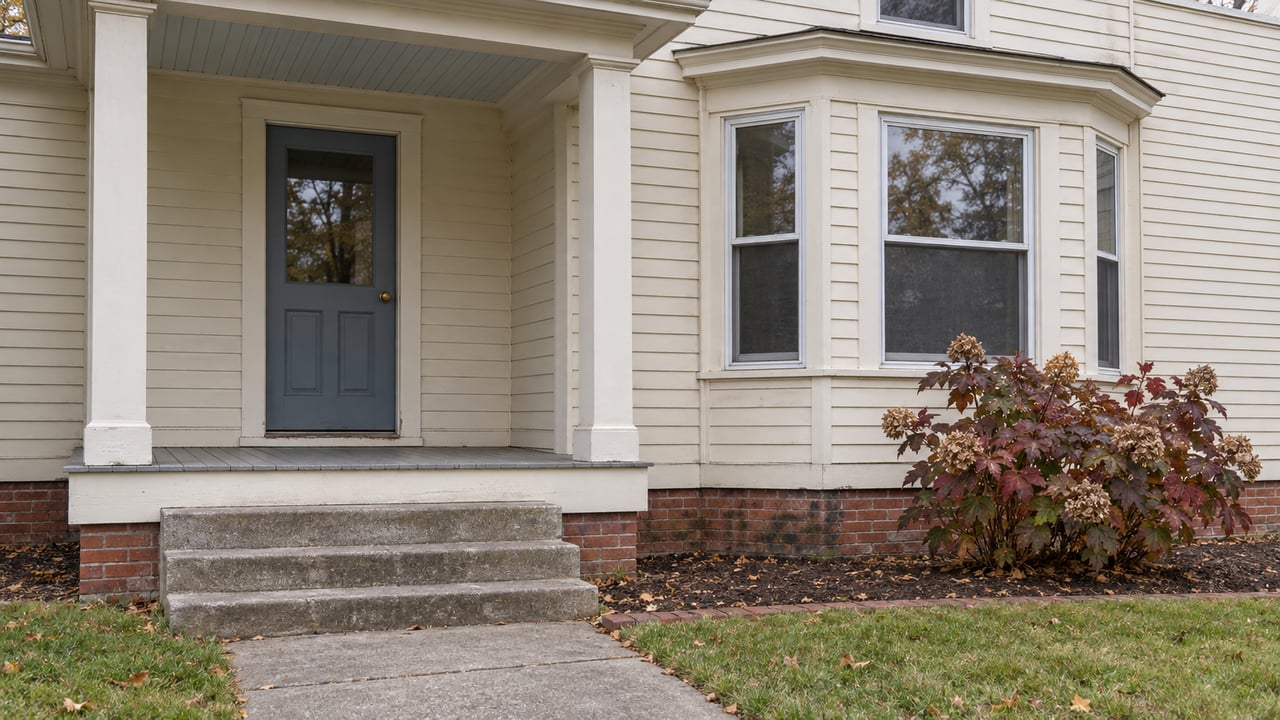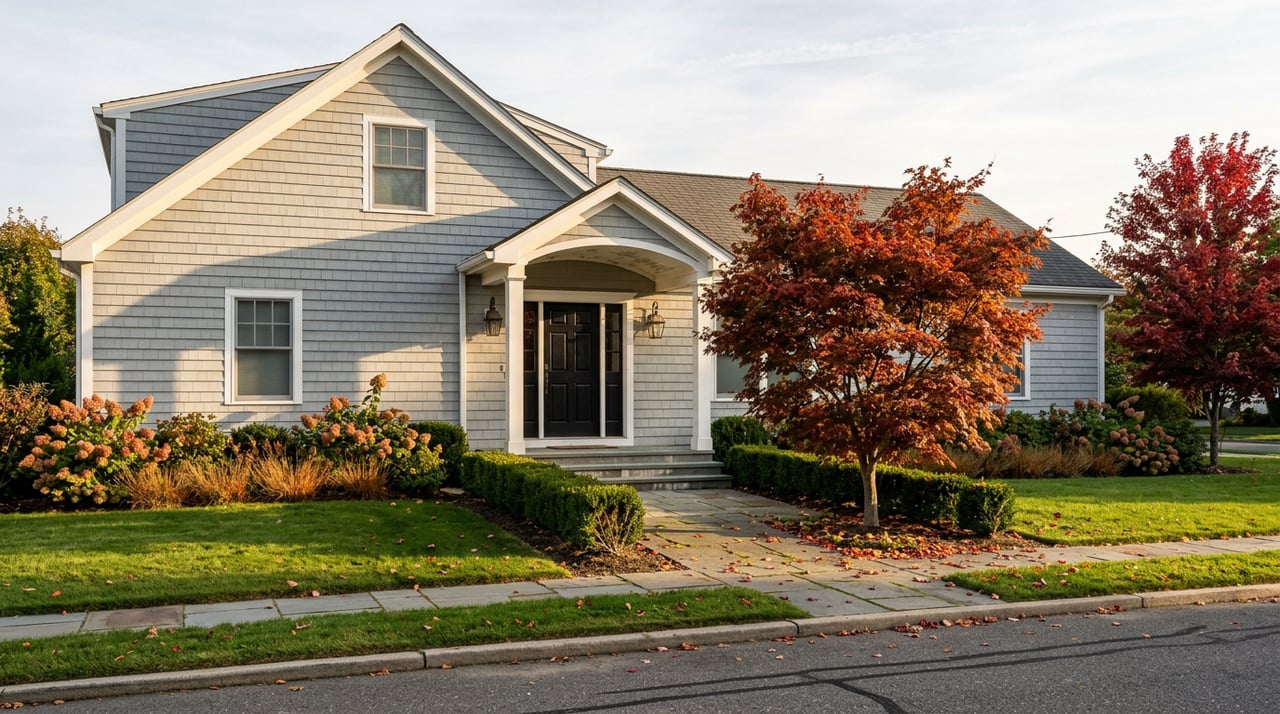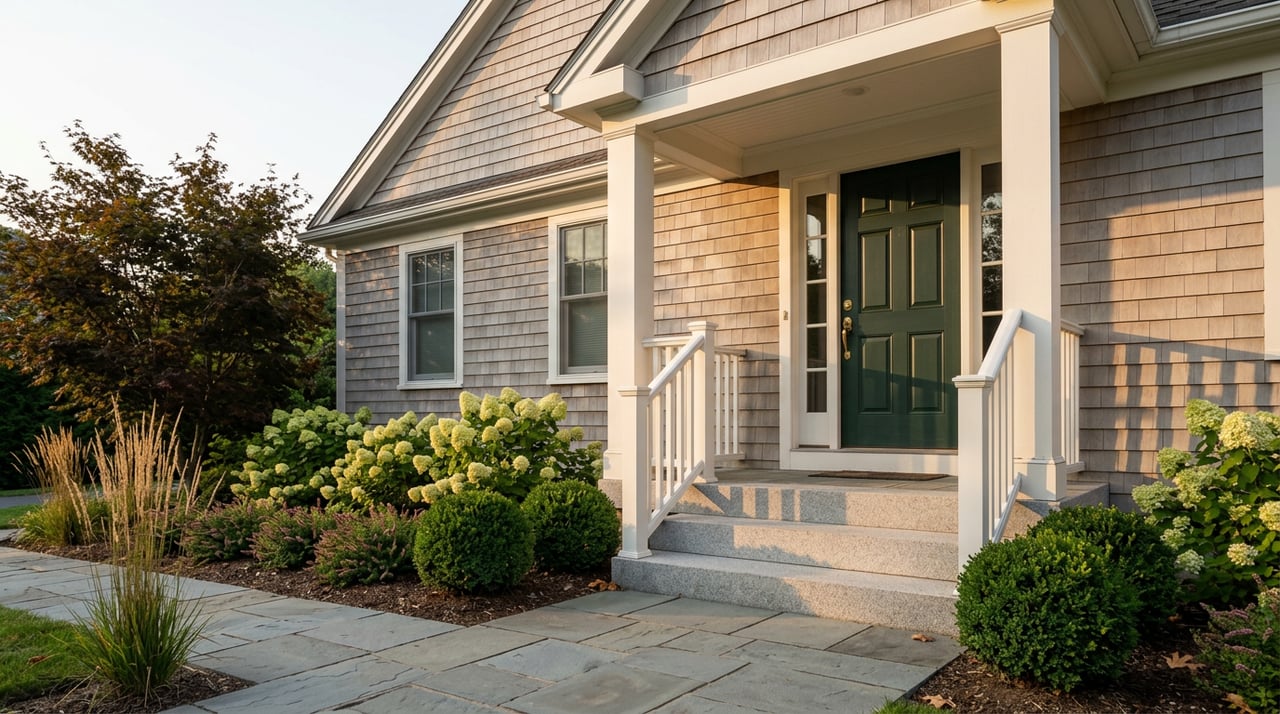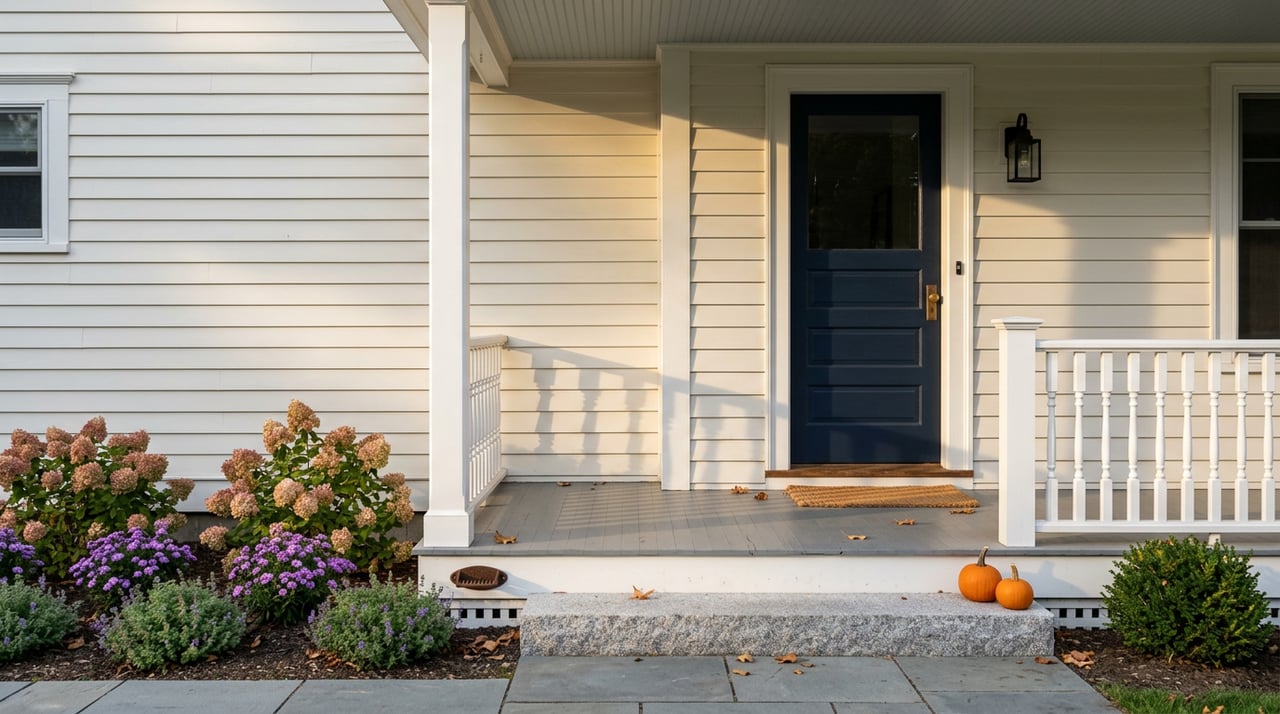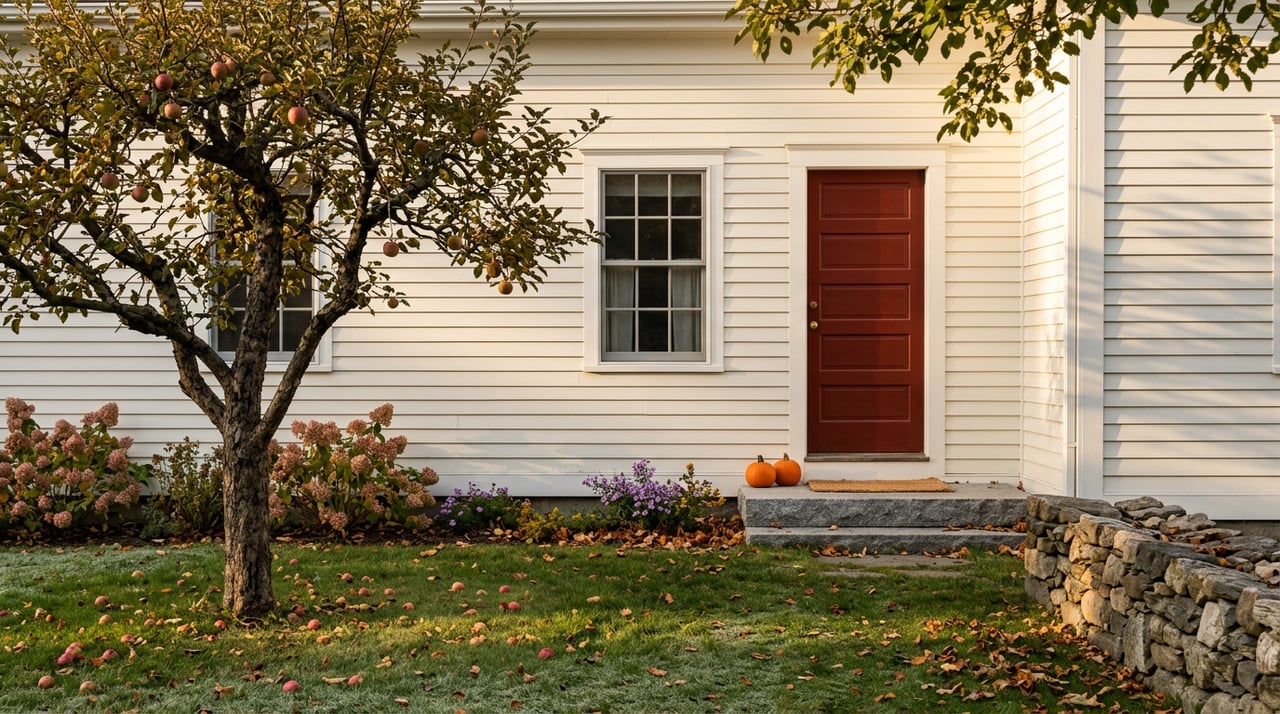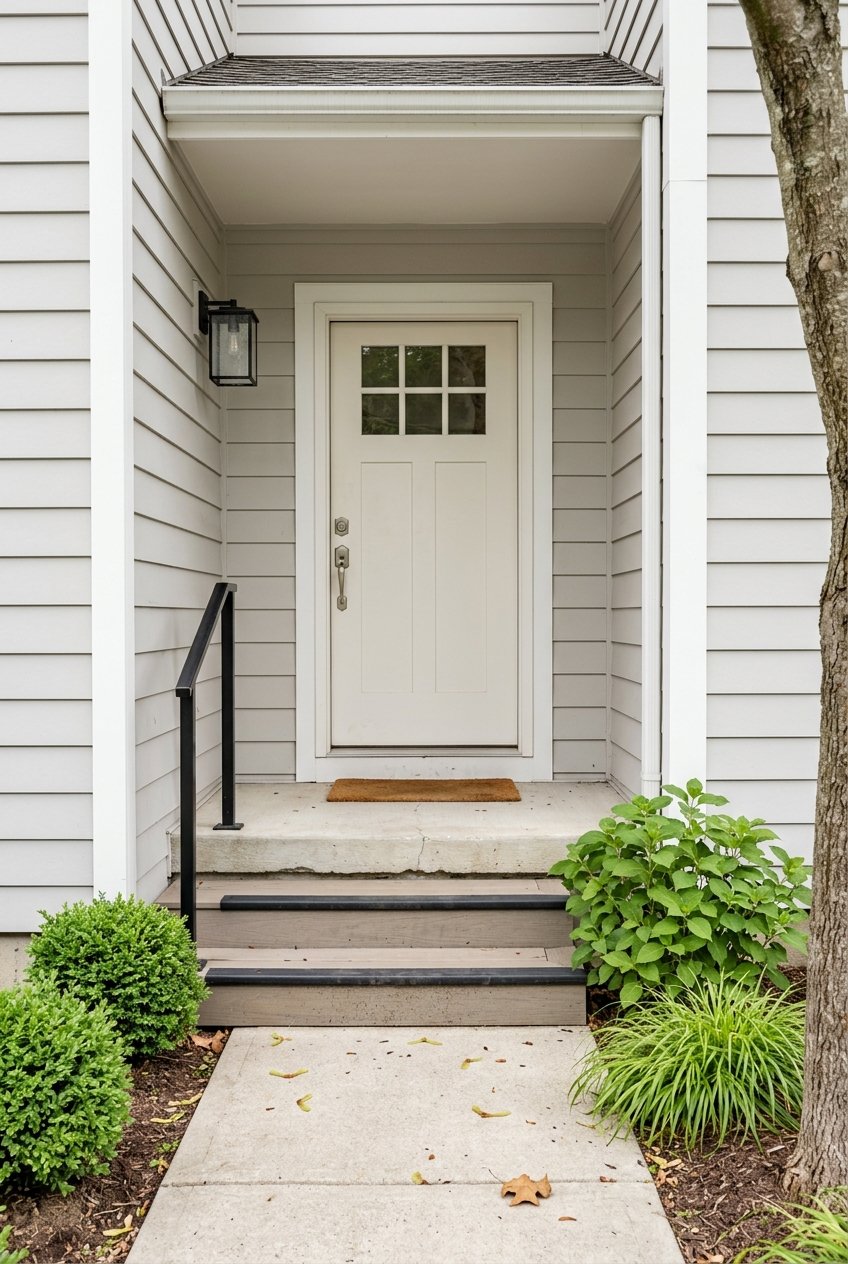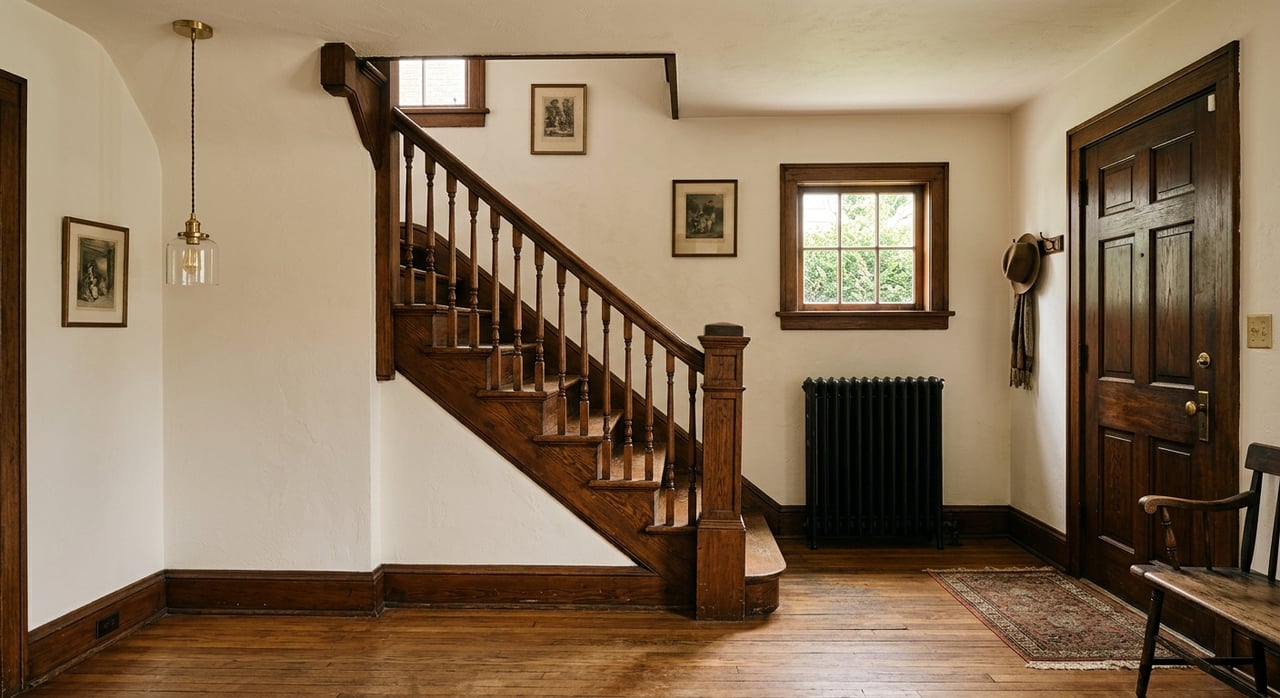
If you drove down Main Street in downtown Marlborough this month, you'd have passed at least two active construction sites and one recently finished building with move-in trucks parked outside. It looks like a city solving its housing crunch. For anyone hoping to buy an entry-level condo here, that visible boom is mostly beside the point, because nearly every unit going up is a rental.
That distinction matters if you're comparing Marlborough to other MetroWest towns on the theory that new construction eventually loosens prices for buyers too. In Marlborough right now, it doesn't work that way, and understanding why explains a market that behaves less predictably than the headline numbers suggest.
What's Actually Going Up Downtown
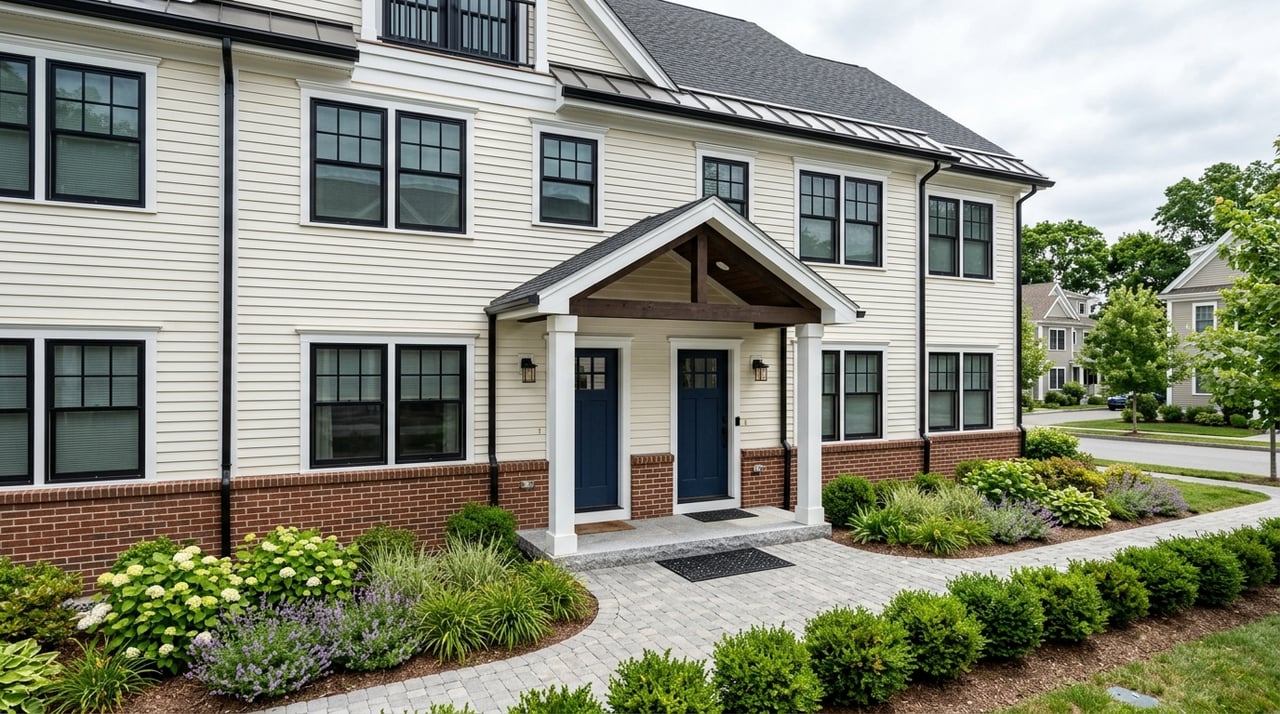
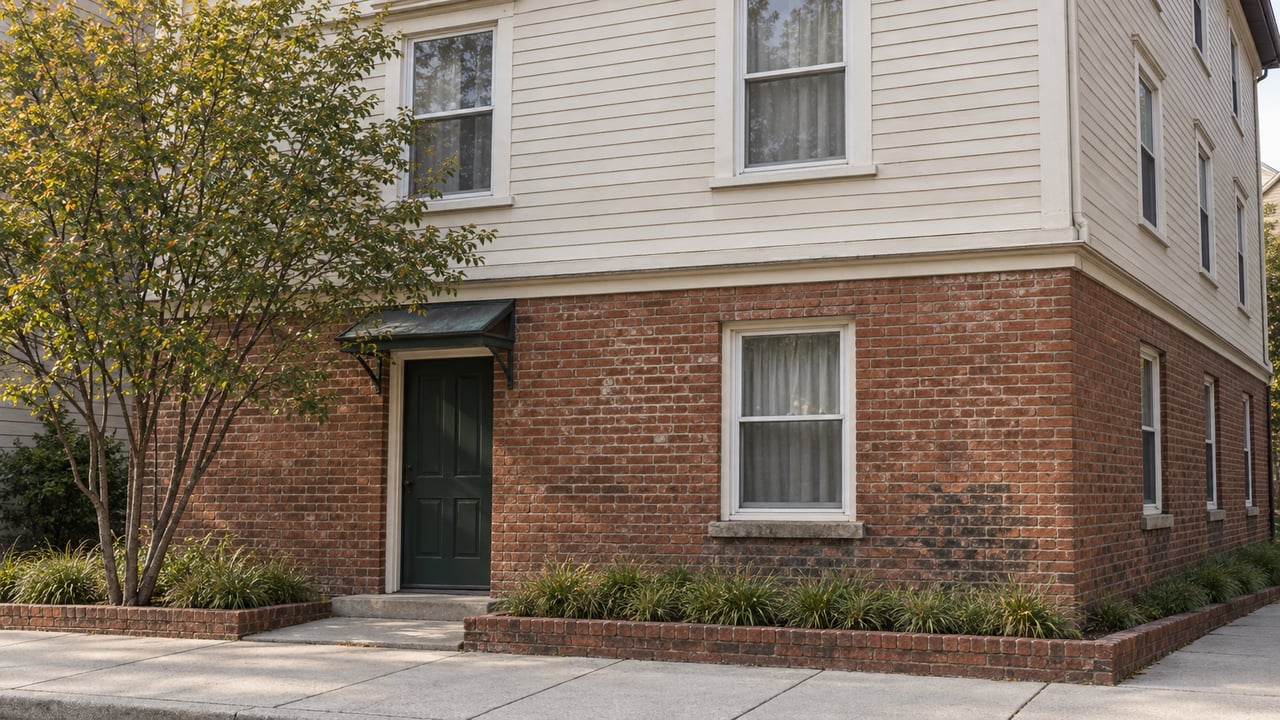
The most visible project is 57 Main, also marketed as Clio, developed by The Procopio Companies with The Architectural Team as designer and Angus Construction managing the build. Boston Real Estate Times described it as part of the broader revitalization tied to Marlborough's proximity to I-495 and a corridor that now holds more than 20 million square feet of office, lab, industrial, and flex space, one of the fastest-growing employment concentrations in the state outside Boston. The project was targeting a spring 2026 leasing start, and the building's own site now markets one, two, and three-bedroom apartments in the heart of downtown. None of those units will be listed for sale.
A few minutes away, Wood Partners broke ground on Alta French Hill at 303 Lincoln Street, next to the Assabet River Rail Trail, backed by construction lender Eastern Bank and equity partner Marcus Partners. The company's own announcement framed it as filling a gap left by "previous commuter-centric developments along I-495" with something closer to walkable, amenity-rich rental housing. Again, rentals.
Then there's The Point at Green District, part of the city's multi-phase Green District development that Marlborough's own planning office lists alongside Exchange Place under its active development projects. It's already leasing studio through three-bedroom apartments on forty acres of trails and wetlands, managed by Pantzer. And downtown's Design Pak Lofts, run by PMC Property Group at 175 Maple Street, is leasing one and two-bedroom units within walking distance of downtown's shops and cafes.
Here's the pattern across all four: developer names, lender names, and leasing timelines to spare, and not one unit meant for a deed transfer.
| Project | Developer | Unit Type | Status |
|---|---|---|---|
| 57 Main / Clio | The Procopio Companies | Apartments | Leasing |
| Alta French Hill | Wood Partners / Marcus Partners | Apartments | Under construction |
| The Point at Green District | Green District (Pantzer-managed) | Apartments | Leasing |
| Design Pak Lofts | PMC Property Group | Apartments | Leasing |
The Condos Buyers Are Actually Bidding On
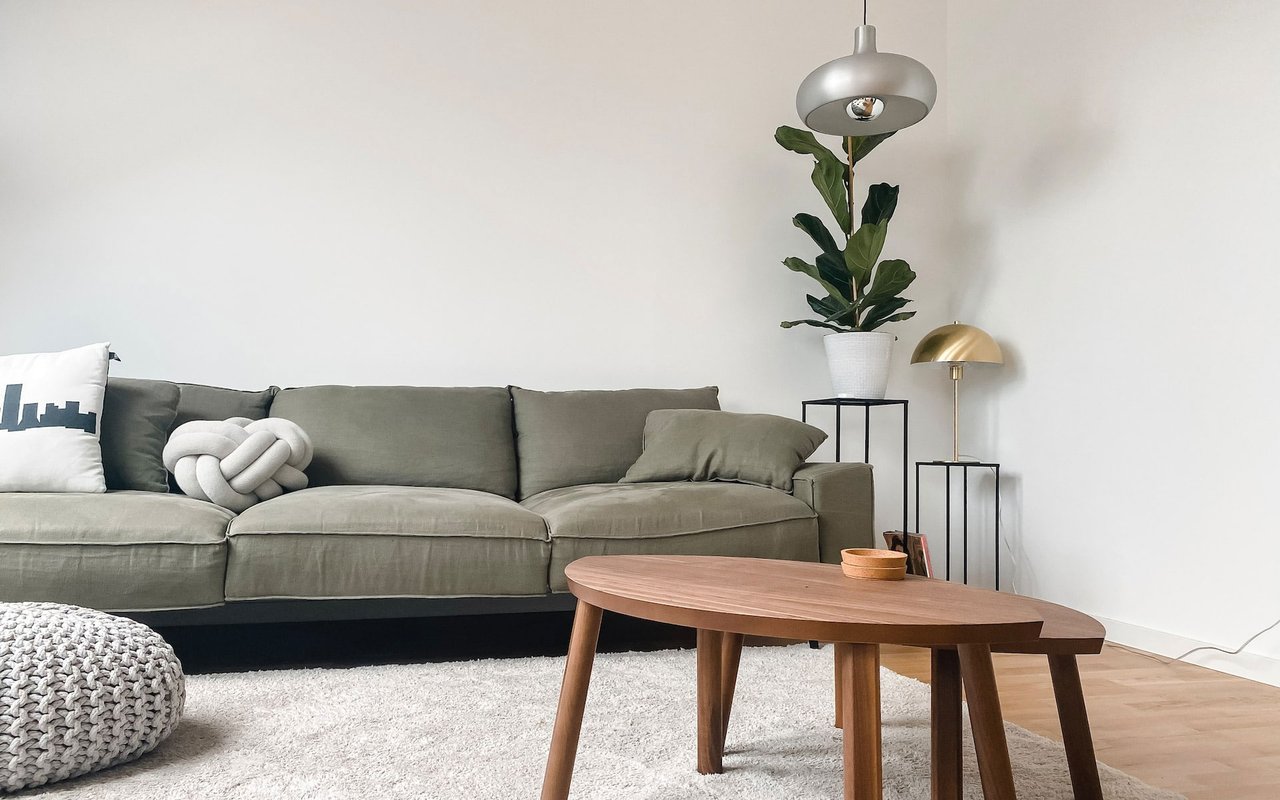
While all that rental supply comes online, ownership-track buyers are still working with the same aging stock of condo buildings that have been on the market for years, places like The Willows and Jefferson Landing, both established complexes rather than new construction. A recent snapshot of active listings showed just 20 condos and 9 townhouses for sale across the entire city at once, against 29 single-family homes sold in the same stretch. That's a thin bench for anyone trying to buy their way into ownership at the lower end of the price range.
None of the new downtown rental buildings change that count. A buyer cross-shopping Marlborough against a neighboring town needs to know that the cranes downtown are a signal about rental supply, not about what they'll find when they filter listings by "for sale."
What the Condo-to-House Gap Actually Costs
There's a second number worth sitting with. Market data from RealtyTrac shows single-family homes in Marlborough running about $33 more per square foot than condos on average. That premium compounds fast. On a 1,500-square-foot home, a $33 per square foot gap works out to roughly $49,500, before accounting for the fact that single-family homes here also tend to carry more total square footage than condos in the first place.
That's not an argument for or against either option. It's the actual size of the trade-off a buyer is making when they choose a single-family home over a condo in this city, expressed as a number instead of a feeling.
Why Two Market Reports Can Disagree About the Same City
Anyone who has pulled up more than one real estate site for Marlborough this year has probably noticed the numbers don't match. Earlier in 2026, one report showed Marlborough as a genuinely hot market, home prices up 5.5% year over year as of March 2026, homes fielding around five offers on average and selling in about 21 days. By August 2026, a different read on the same city showed median sale prices down 6.6% year over year, and by September 2026, list prices were down roughly 9% year over year according to monthly market data, with days on market stretching out toward 55.
That's not two sources disagreeing about the same static market. It's a market that shifted over the course of a single year, cooling from an aggressive spring into a slower fall, and the mix of what's selling each month, whether it skews toward luxury colonials on the west side or older starter condos downtown, pulls the median in different directions depending on which properties happened to close. A city with a genuinely bifurcated inventory, new luxury rentals downtown, established condos in older buildings, single-family colonials on larger lots, will always produce medians that look inconsistent from month to month, because the median is describing a different mix of homes each time.
The Structural Reason This Isn't Temporary
Massachusetts requires cities to plan for projected housing need, and Marlborough's own housing needs assessment puts the annual demand at 85 single-family units and 98 multi-family units per year. Multi-family gets built as rentals almost every time, because rental projects are easier to finance and lease up than for-sale condo developments, which explains why the visible construction boom downtown skews so heavily toward apartments rather than condos. It's not a Marlborough-specific quirk. It's the standard math that shapes new construction in built-out MetroWest cities generally, and Marlborough's pipeline right now is a clean illustration of it.
What This Means If You're Comparing Marlborough to Other Towns
If your search radius includes Marlborough alongside other MetroWest or Central Mass towns, the practical takeaway is this: don't let visible construction activity stand in for available inventory. A city can be adding hundreds of new units and still have a tight, thin market for buyers, because those two figures are tracking entirely different kinds of supply. What you should actually be pricing against is the existing condo stock, buildings like The Willows and Jefferson Landing, and the real dollar gap between that stock and a single-family purchase in the same city.
If you're trying to figure out what your specific budget actually buys in Marlborough right now, given how much the market has shifted between spring and fall of this year, that's a conversation worth having before you start touring.
FAQ
Are any of the new downtown apartment buildings expected to convert to condos? Nothing in the current development plans for 57 Main/Clio, Alta French Hill, The Point at Green District, or Design Pak Lofts points to future condo conversion. All four are structured and marketed as long-term rental communities.
Why did prices look competitive earlier in 2026 but soft by fall? Market data through the year shows a genuine shift, not just conflicting sources. Spring listings showed multiple offers and fast sales, while by September, list prices were down year over year and homes were sitting longer. A market can move from hot to cooler within a single year, especially in a city where the mix of what's selling changes month to month.
If you're weighing Marlborough against another MetroWest or Central Mass town and want a straight read on what your budget actually gets you here, right now, reach out to Kim McKean and let's map it out together.