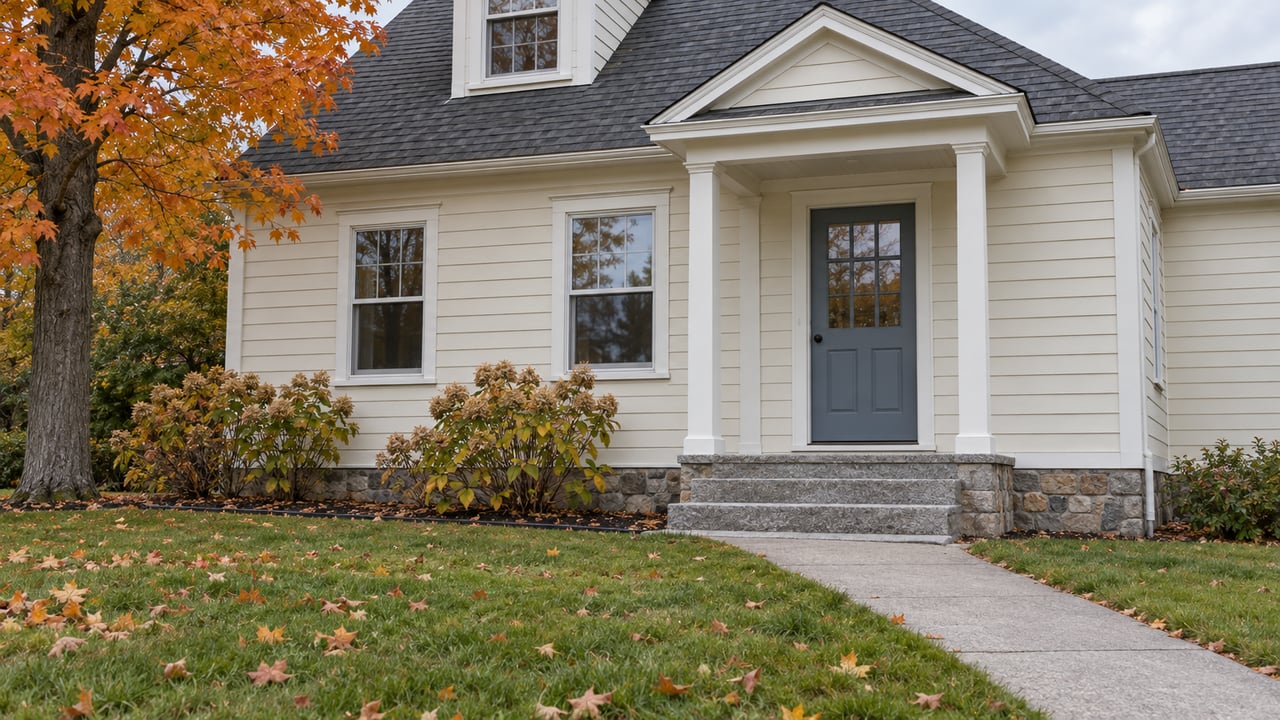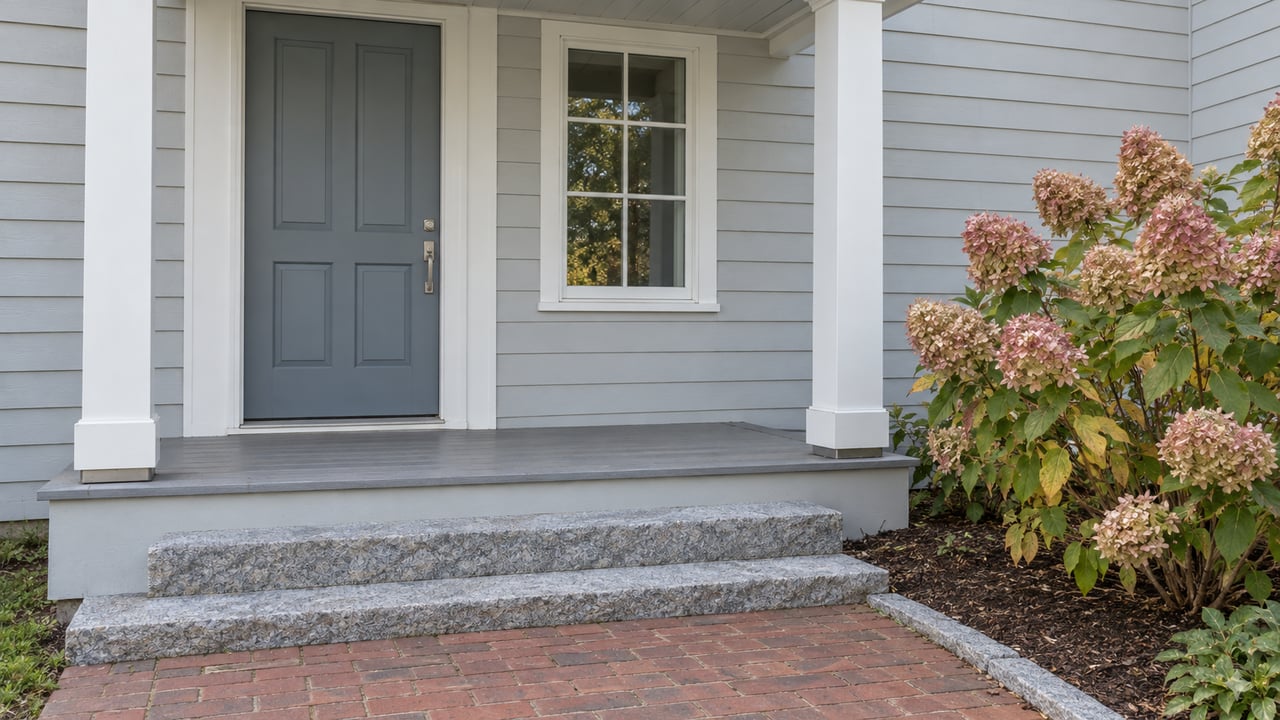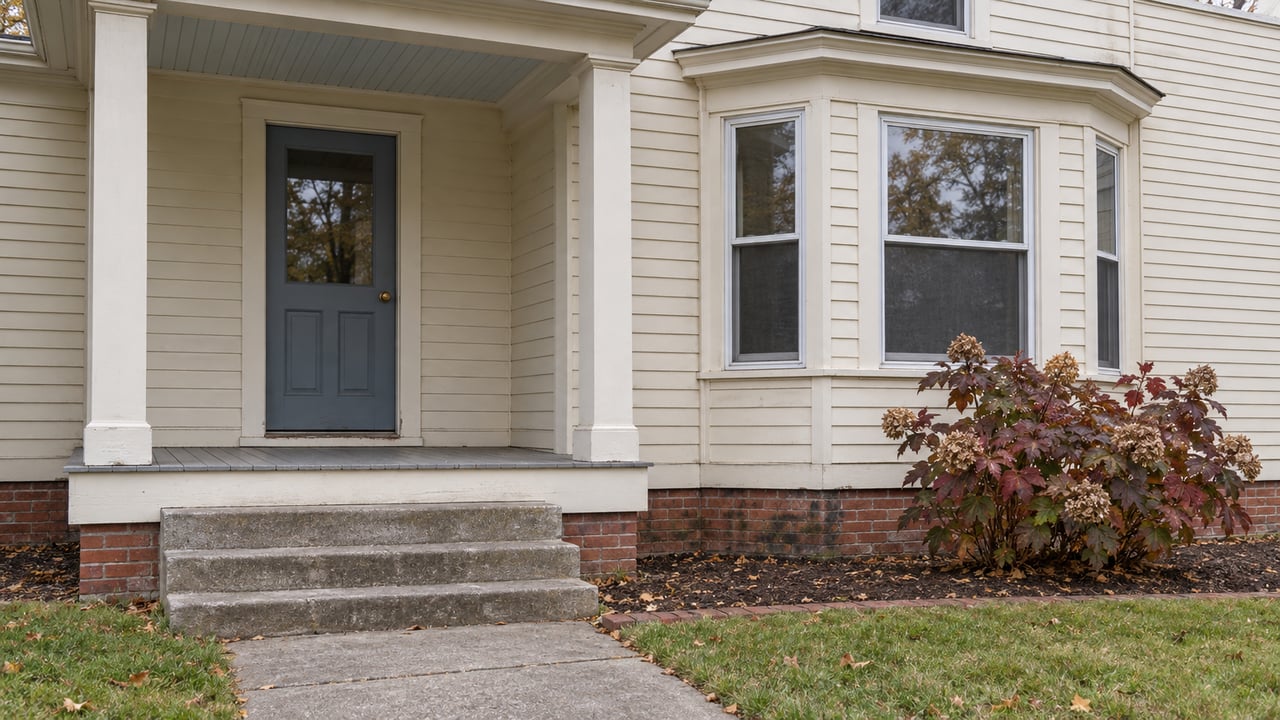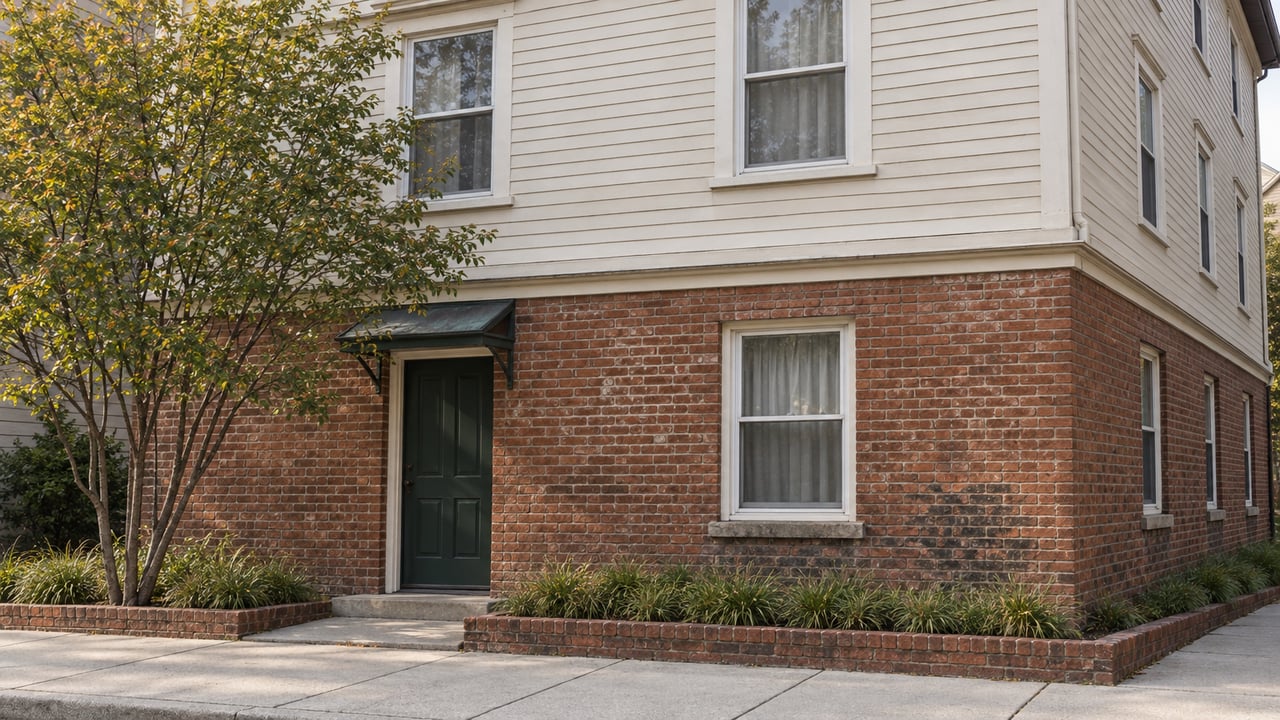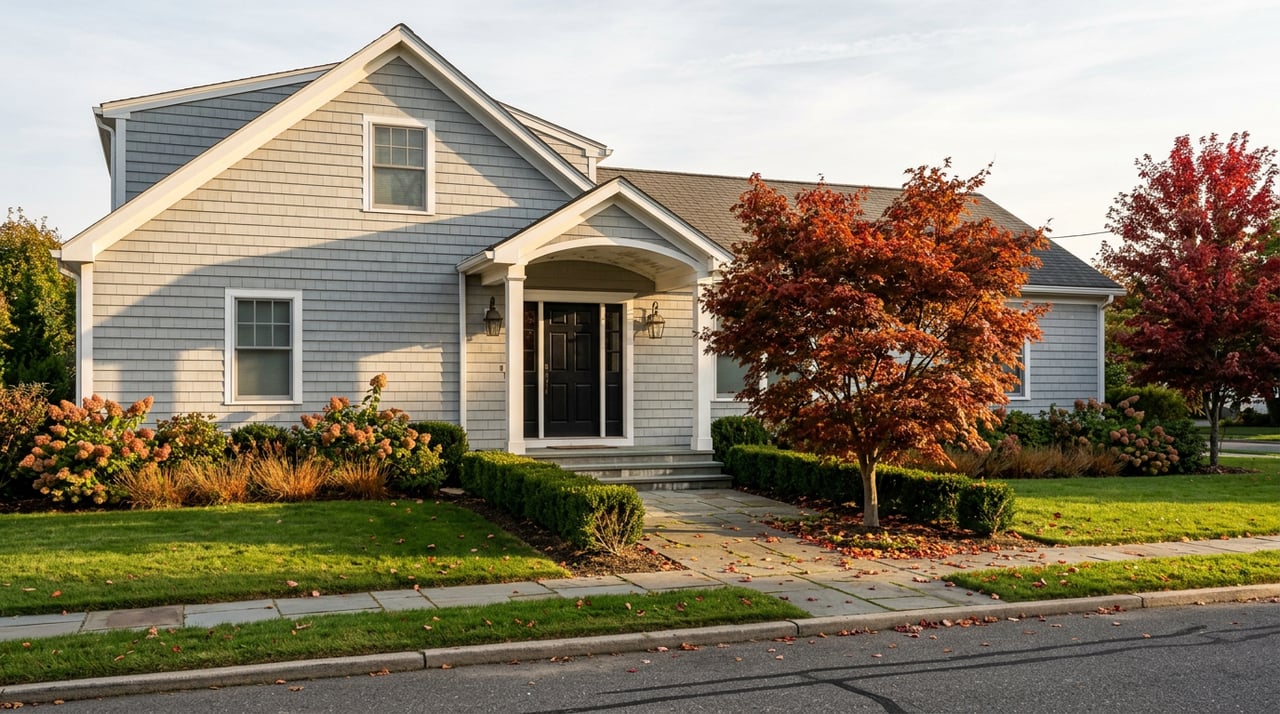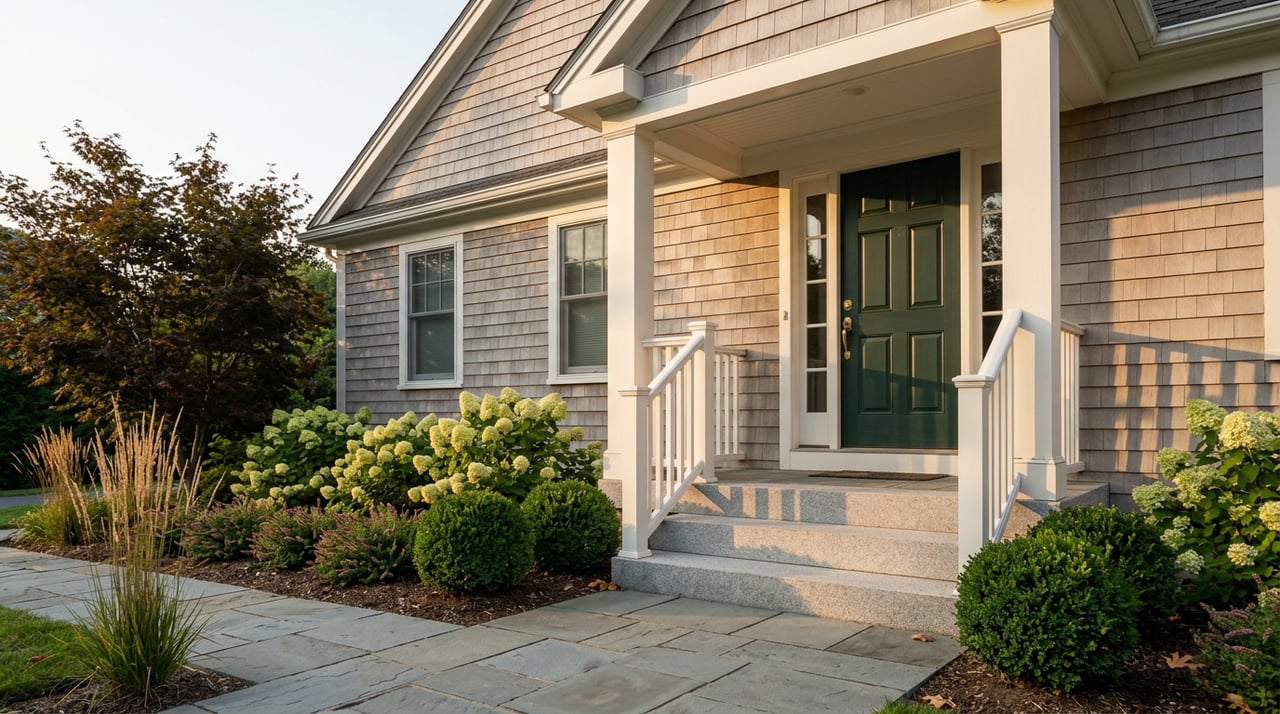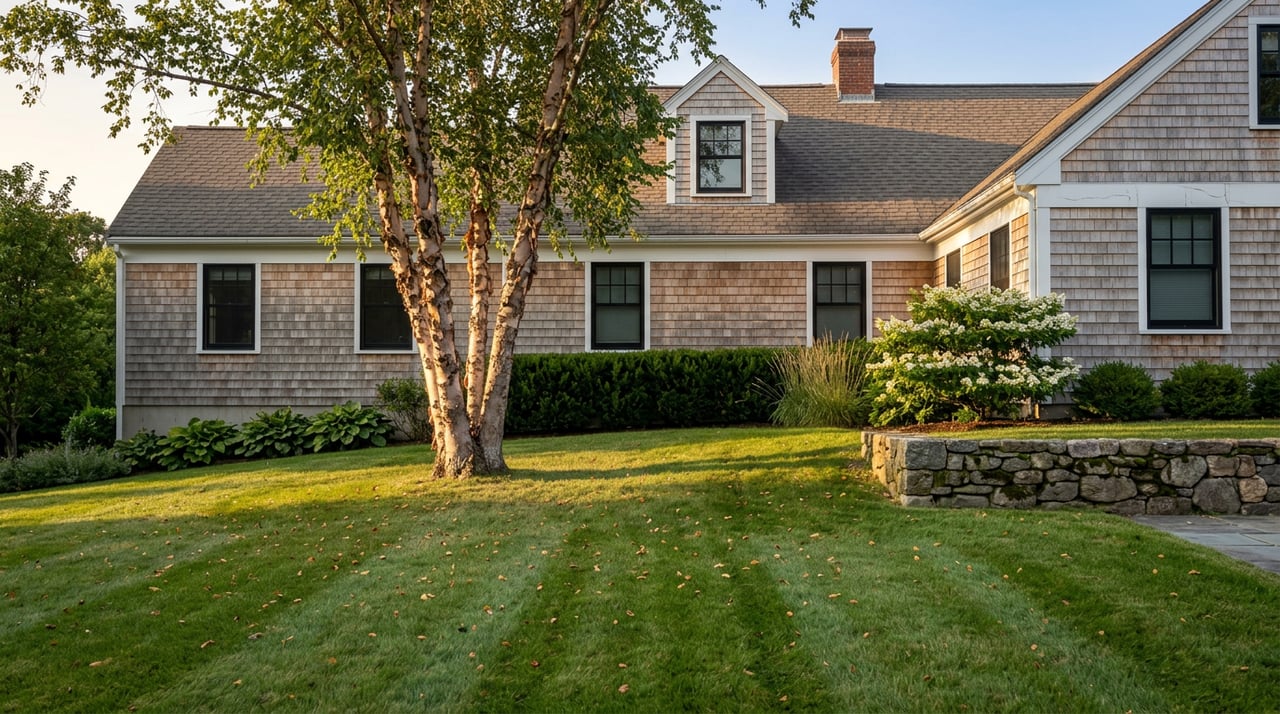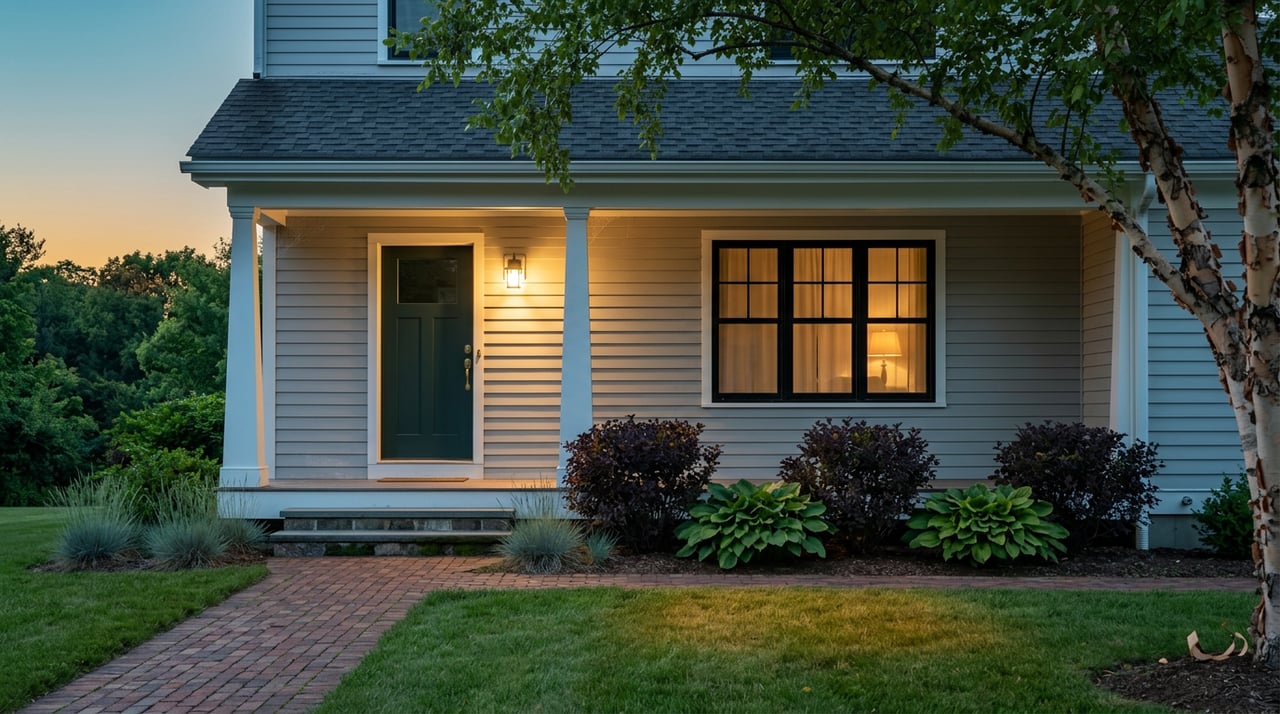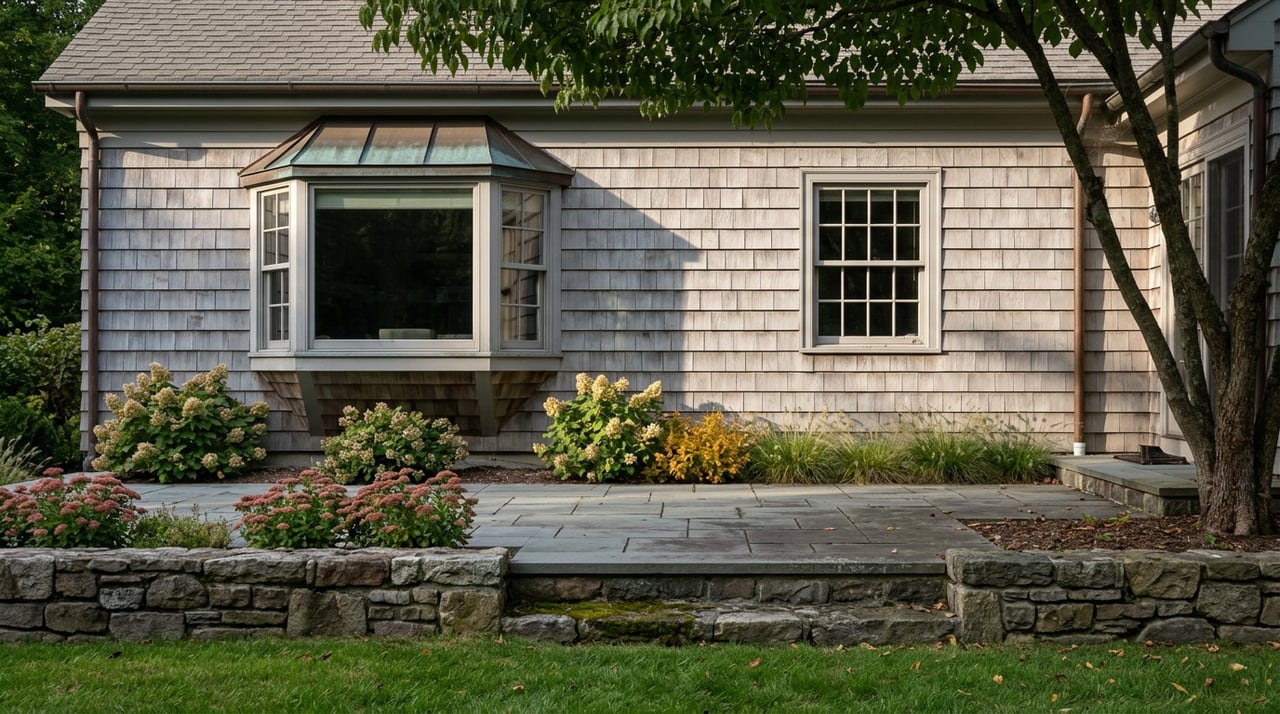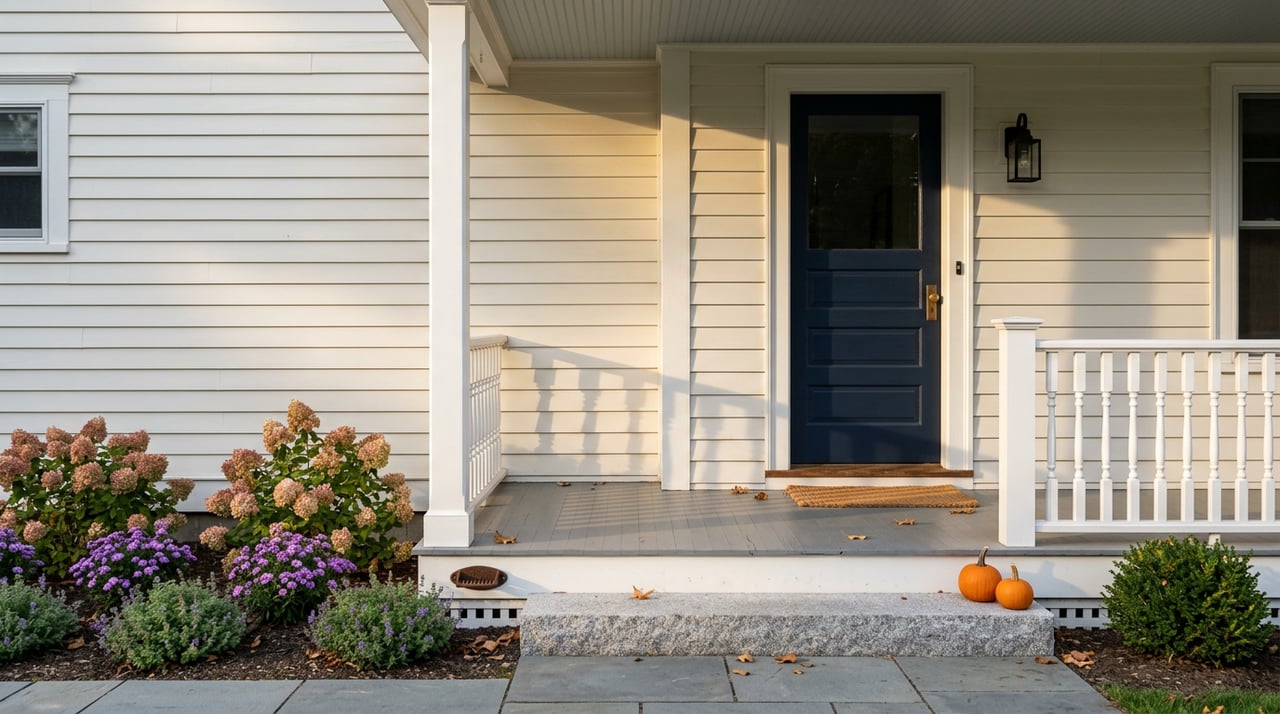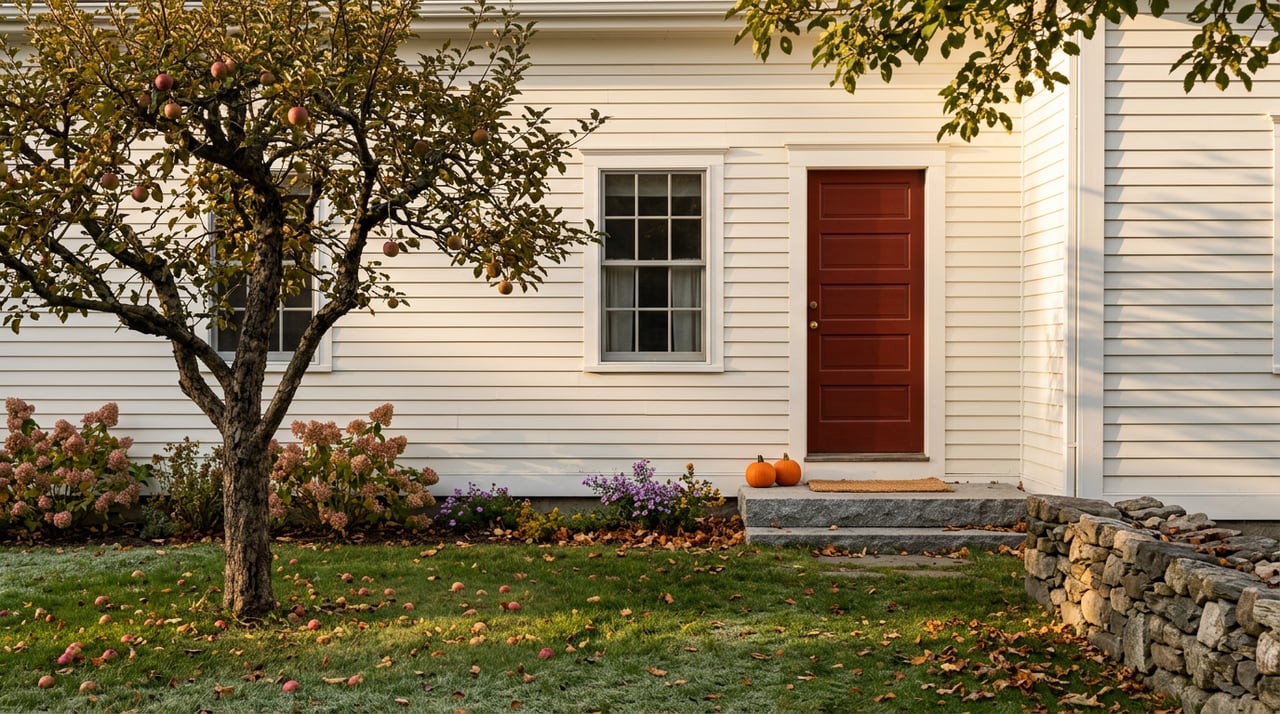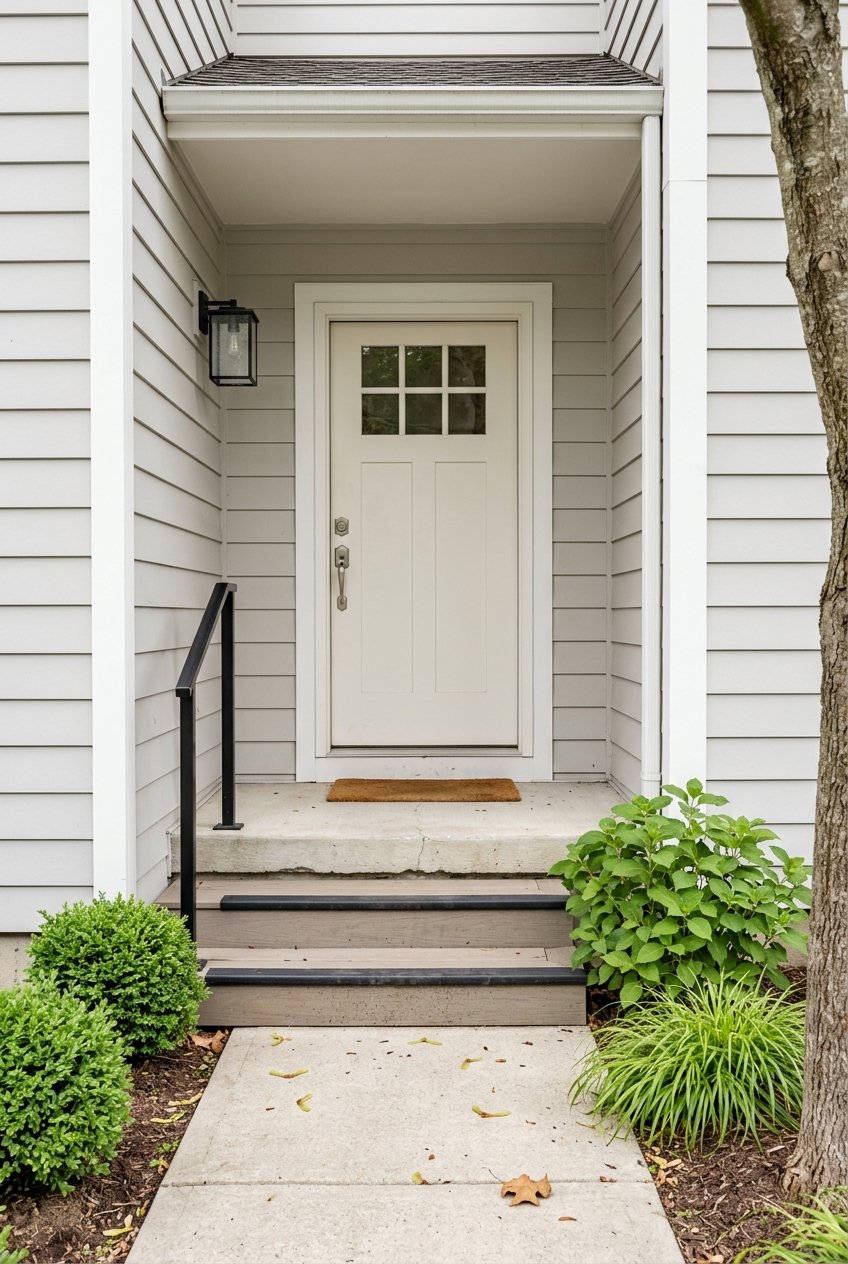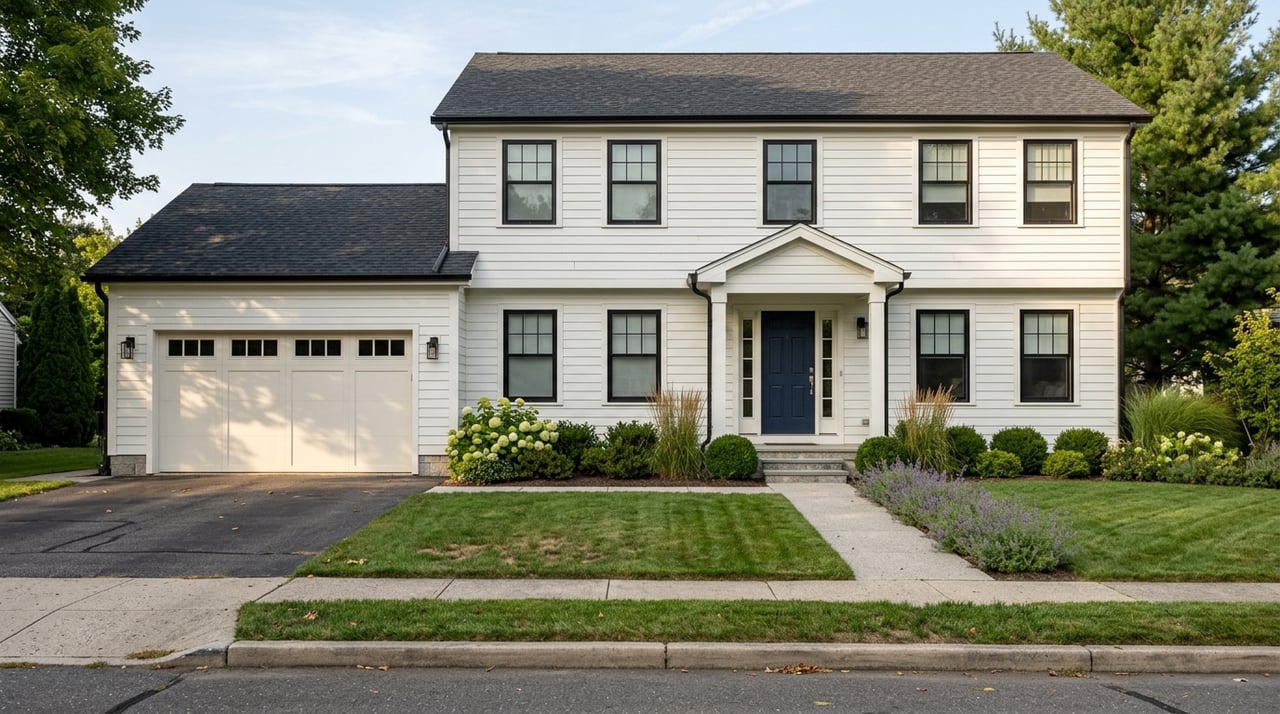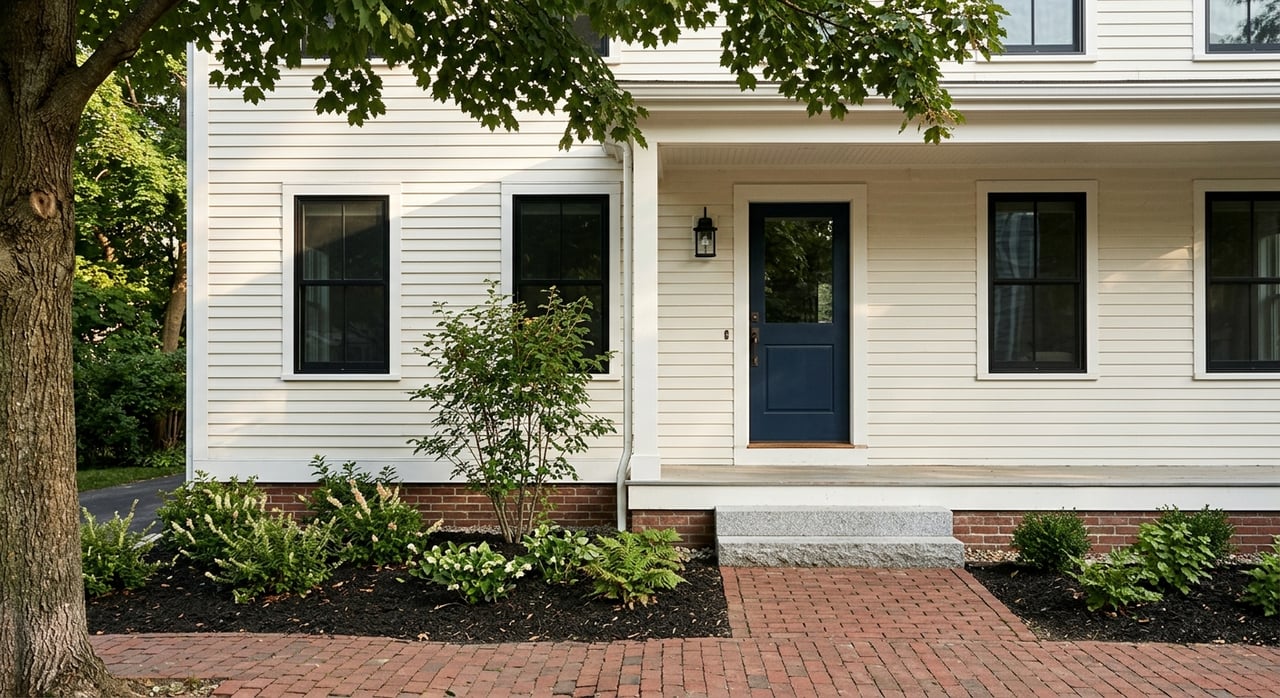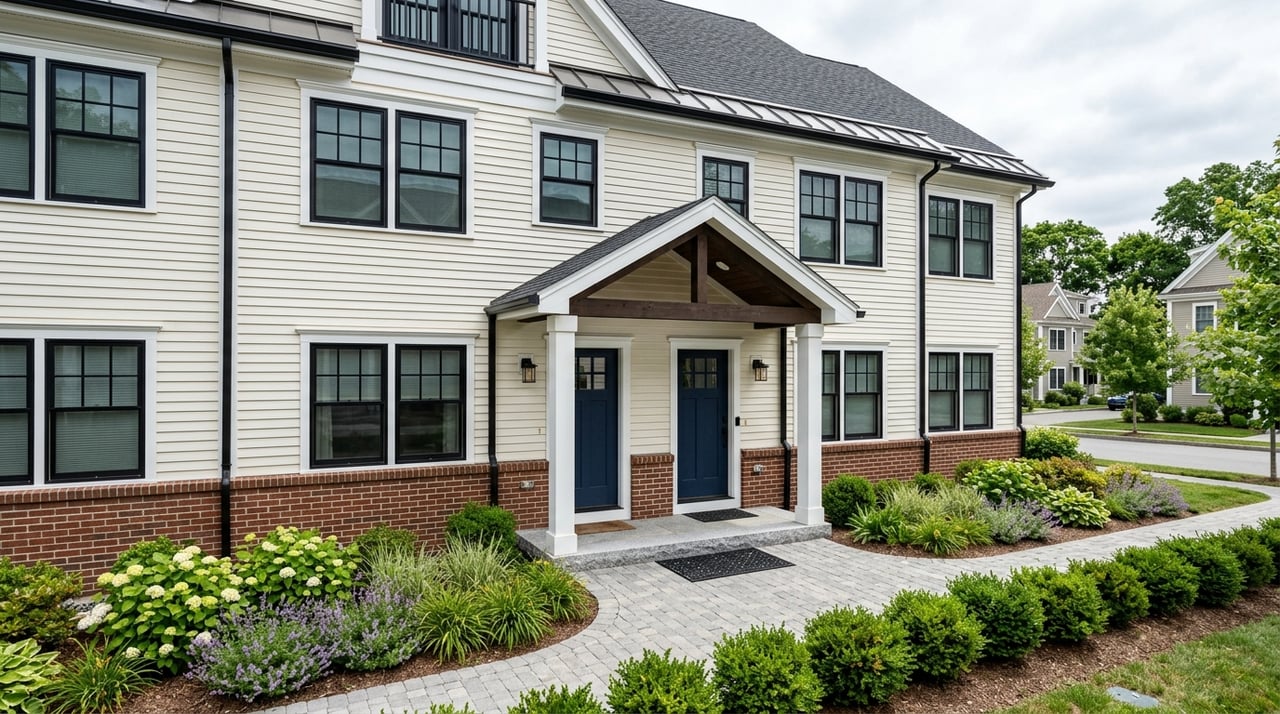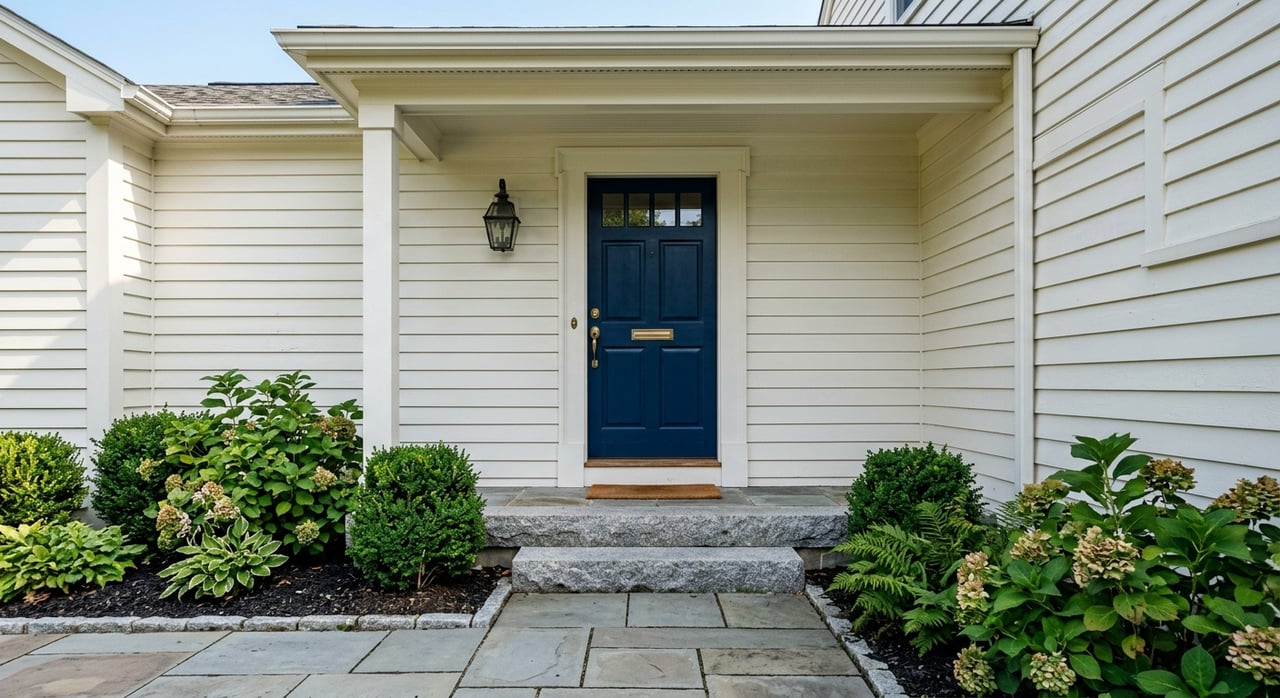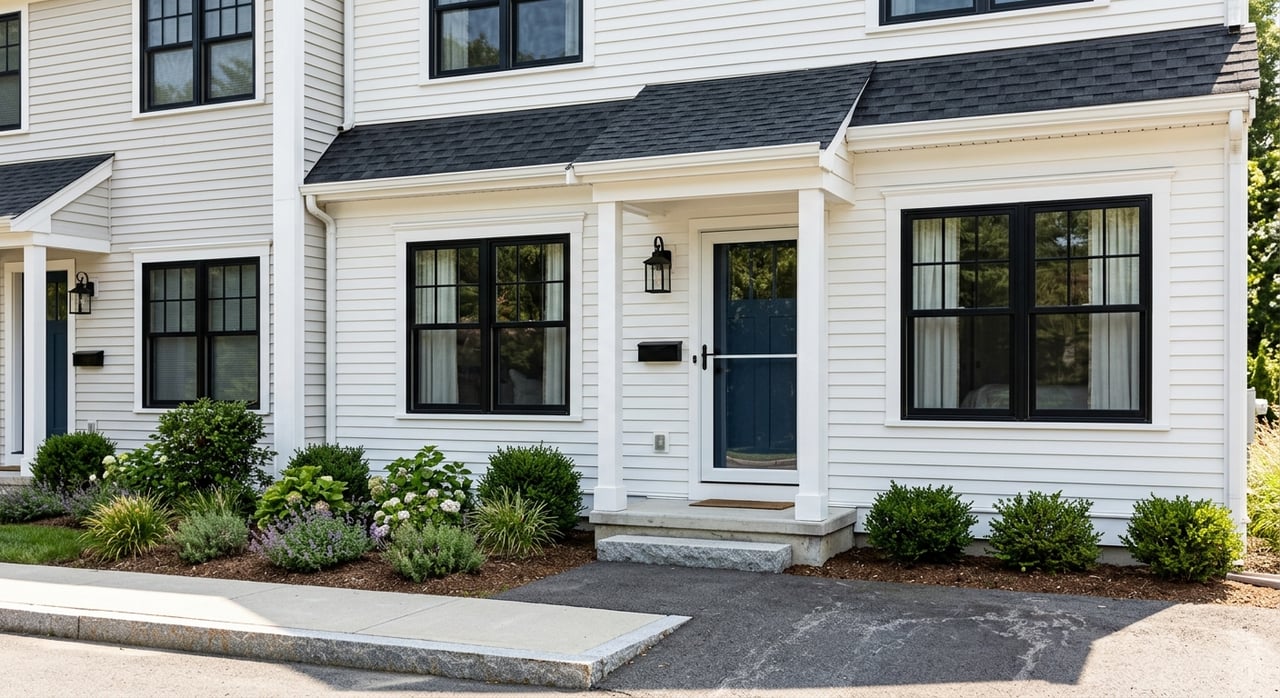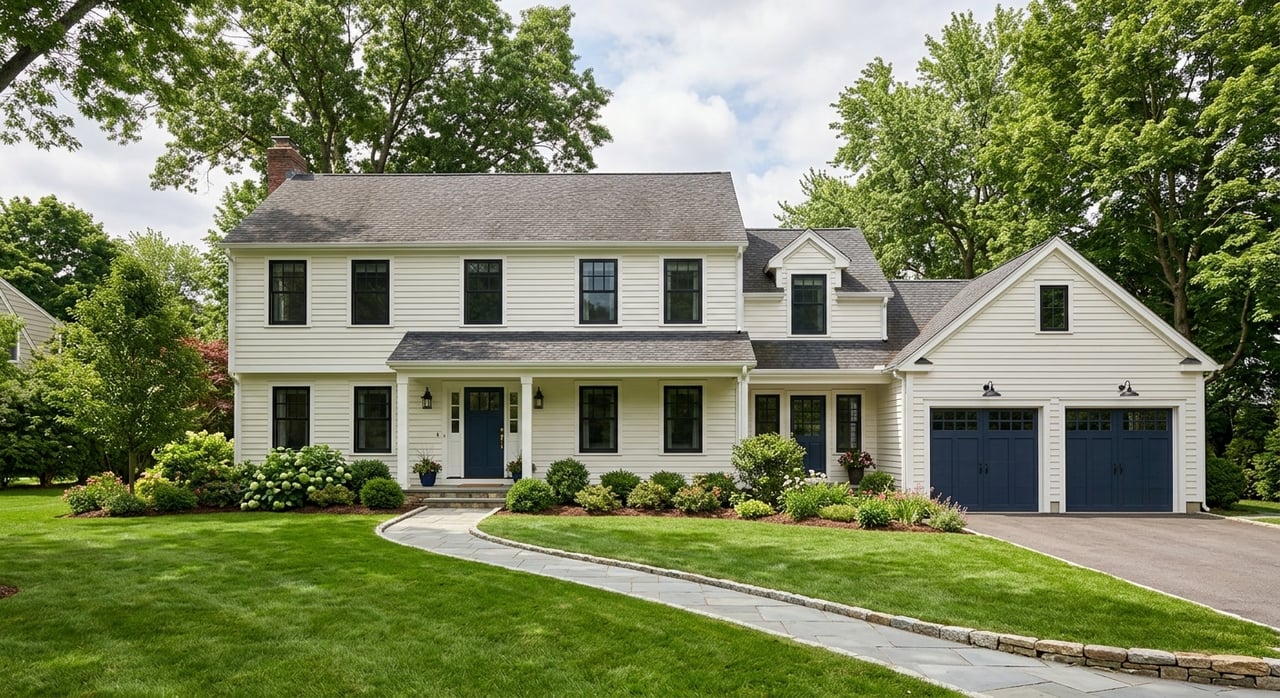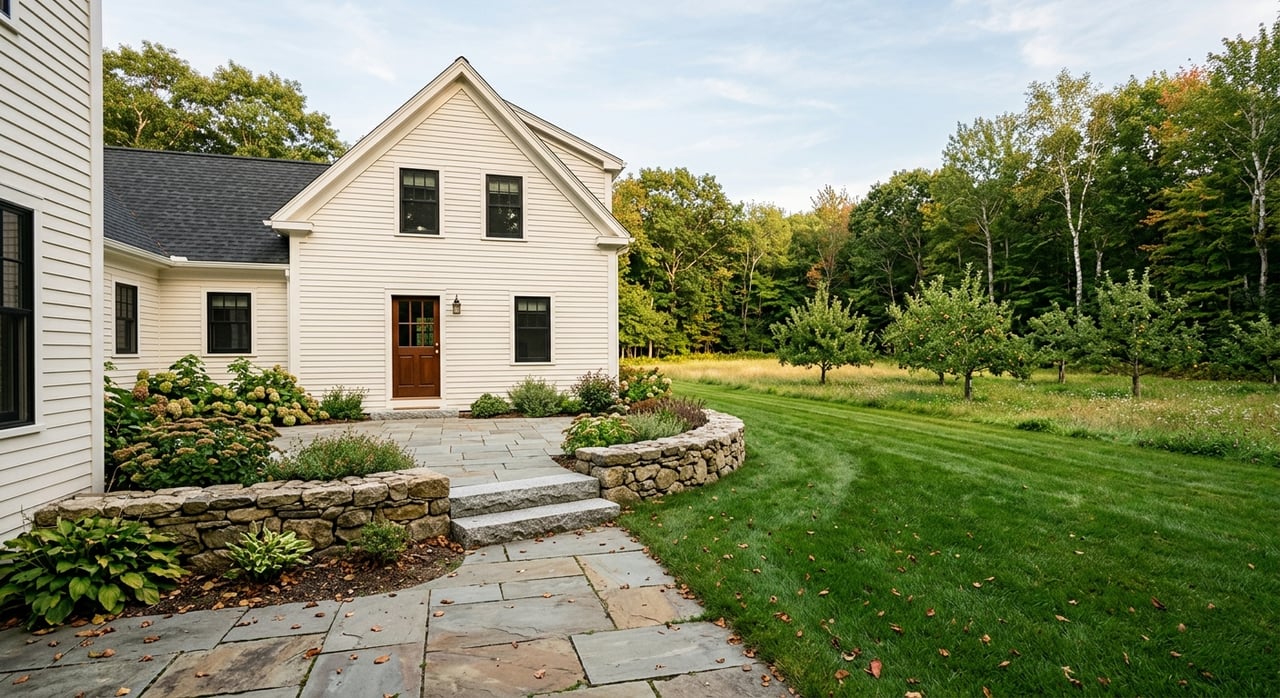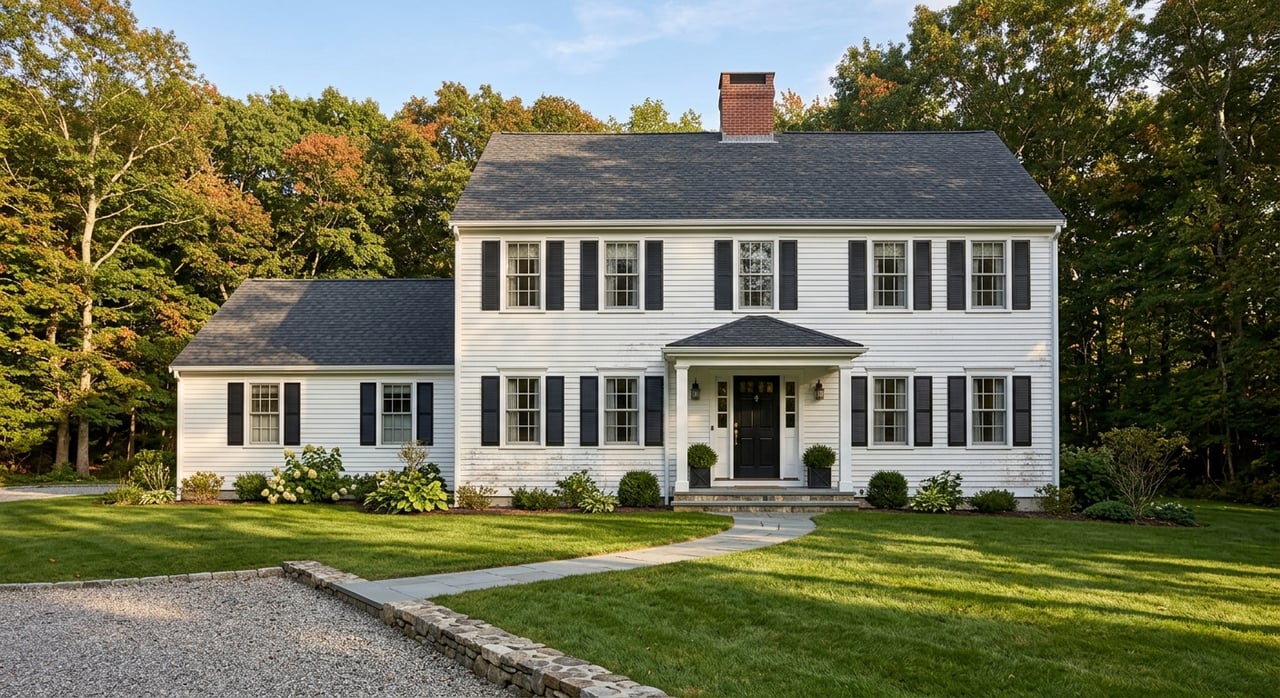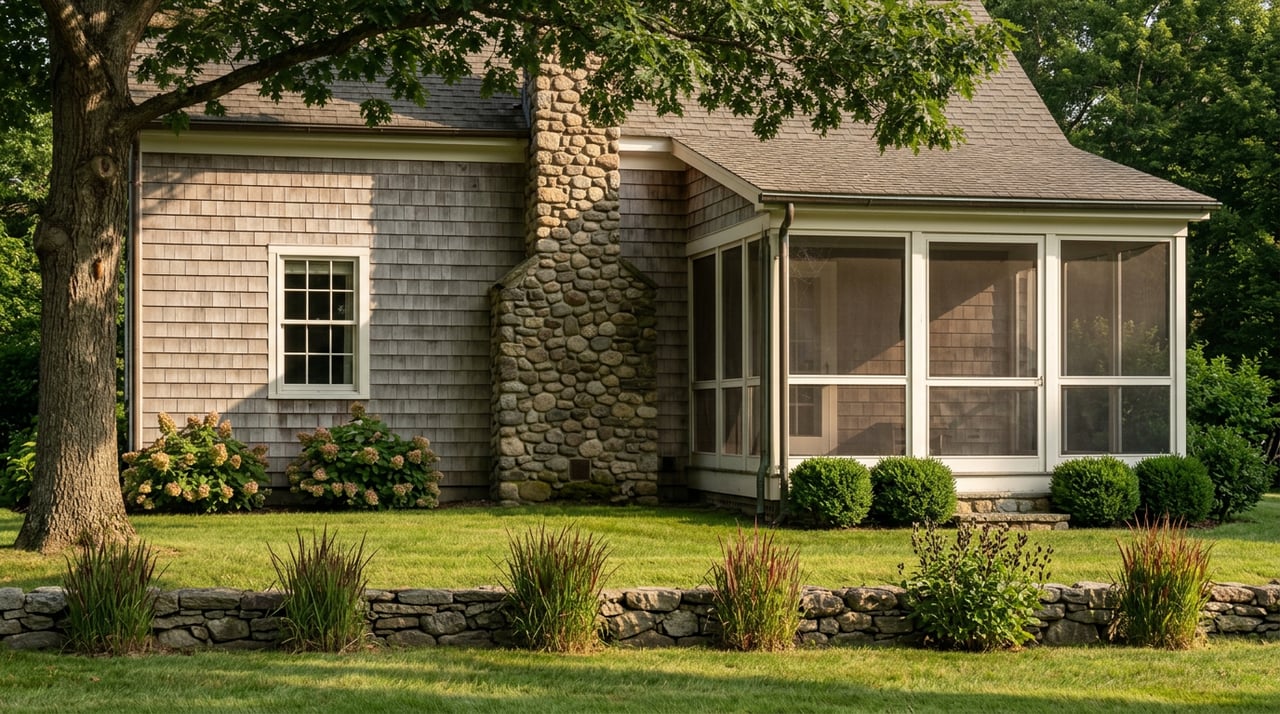
Drive through Harvard on a summer weekend and you'll see the version of town built for people passing through: orchard signs pointing toward Route 110, a brown Fruitlands Museum marker, the kind of stone walls and rolling hills that end up in real estate listing photos everywhere from here to the Berkshires. That's the postcard. It's accurate, but it's not the town.
The town, the one residents actually live in during the last weeks of August, runs on a different set of institutions. Each has a low-key presence. A beach with a gate rule. A brewery with no sign on the door. An orchard focused on fruit rather than fall attractions. If you already live here, you already know this. If you don't, it explains something a listing photo never will: why the people who move to Harvard tend to stay.
The Beach For Residents And Taxpayers
Bare Hill Pond sits at the center of the town's summer, and it works because almost nobody outside Harvard can use it. The town's own page on the pond is blunt about it: the beach and parking lot are for residents and taxpayers only. No day-pass system, no tourism angle, just a rule that keeps a small piece of shoreline functional for the people who fund it.
The numbers explain why the rule matters. The Town Beach covers more than eighteen acres, with a roped-off swimming area anchored by three rafts and canoe racks lining the shore. Upwards of 36 boats stay moored near the beach through the season, everything from kayaks to water ski boats, with more launching from the town ramp on any given weekend. Peak activity runs from Memorial Day through Labor Day, which this year falls on September 7. That leaves about four weeks of pond season left as of this writing, all of it still governed by the same residents-and-taxpayers rule that's kept the beach from turning into anything bigger than it was designed to be.
None of that shows up if you're just driving past. It shows up if you've already got a resident sticker.
A Brewery Without A Taproom
A few miles from the pond, at 177 Massachusetts Avenue, Loyal Foe Brewing Company has been quietly making beer without ever opening a taproom. It started as a nano-brewery running out of a garage, selling beer to go through scheduled pickup windows announced by newsletter and social media rather than posted hours. Years in, that model hasn't changed. There's still no walk-in counter, no pint glasses served on site, just small-batch releases like the rotating single-hop Ghost Note series that residents order ahead and pick up.
The workaround, for people who want a pint rather than a growler, is Rail Trail Flatbread Co., where Loyal Foe shows up on tap and where a local Untappd check-in from 2025 summed up the reaction plenty of residents seem to share: "cool to have a new brewery in my hometown." That's the tell. Loyal Foe remains a small operation.
The Orchard Focused On Fruit
Harvard has several working orchards within a few miles of each other. Some New England orchards offer hayrides, corn mazes, and cider doughnuts as fall attractions, while others focus on selling fruit. Doe Orchards is in the second category.
What that looks like in practice, right now, in mid-August:
- No hayride, no corn maze, no ticketed entrance. Just rows you walk yourself.
- Berries and peaches are the current crop. Apples come later, once the varieties ripen through September and October.
- At checkout, options include a pumpkin later in the season, some cider, and decorative gourds. That's about it.
- A few tractors sit around for kids to climb on.
The orchard's own reputation among visitors centers on its emphasis on fruit. Nearby orchards offer a fuller slate of attractions.
The One Weekend Harvard Does Go Big
If there's an exception to all of this, it's Fruitlands Museum, and even that exception proves the rule once you look closely. Fruitlands isn't a town institution at all. It's run by The Trustees of Reservations, the statewide land conservation nonprofit, on a 210-acre property that includes the original 1820s Fruitlands farmhouse, a Shaker museum, and art galleries built from Clara Endicott Sears's original 1914 collection.
Most of what Fruitlands does through the summer stays as understated as everything else in town. The lawn concert series ran another quiet installment on July 9, when the Concord Band played a 7 to 8:30 p.m. show on the outdoor stage, the kind of evening that draws a blanket-and-folding-chair crowd rather than a ticketed one.
| Event | Date | Format |
|---|---|---|
| Summer Concert Series (Concord Band) | July 9, 2026 | Free lawn concert, already held |
| Fruitlands Craft Festival, 14th annual | September 19 to 20, 2026 | Two-day juried show, 56 New England artisans |
The craft festival is the one weekend Harvard actually goes big, and even then it's contained. Two festival tents, each artisan working a single 10-by-10 booth, no shared spaces allowed. It's a real draw, and it's still just a weekend, bookended by a season shaped largely by local institutions with a small-scale presence.
Small-Scale Institutions
The Harvard Press, the independent weekly that covers Harvard and Devens, operates out of a small office above the Harvard General Store. This year it won the New England Newspaper and Press Association's general excellence award for weekly papers with circulation under 5,000.
The pond, brewery, orchard, and paper all contribute to a small-scale Harvard summer that feels different from the postcard version passing through on Route 110.
If you're already living that version of Harvard and thinking about what a move within town, or a move into it for someone you know, might look like, I'm always glad to talk through it with no pressure attached. Let's Connect.